
Yoga for Kids: Benefits, Safety, and Getting Started
Updated: October 24, 2026
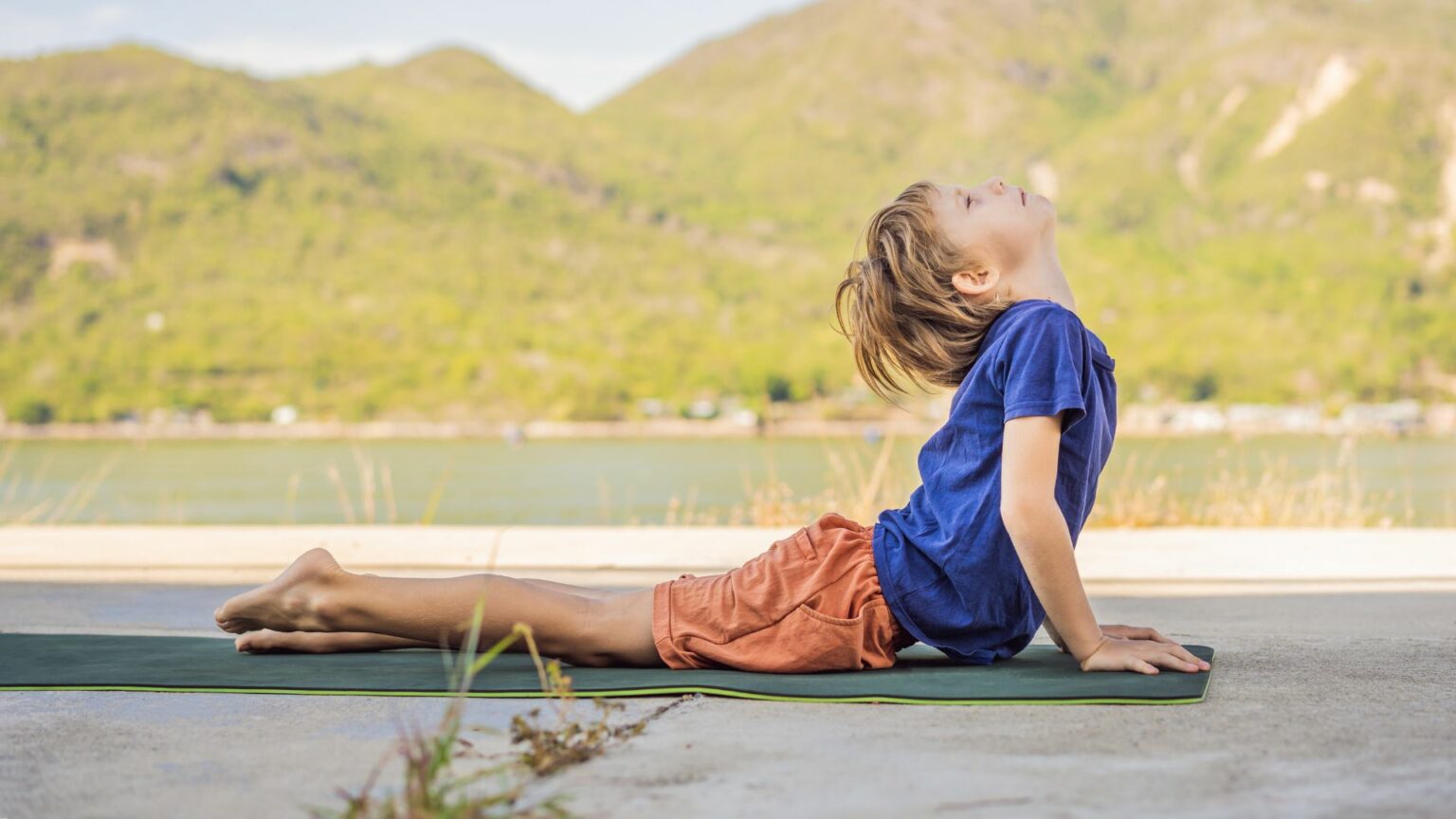
Yoga combines movement, breathing, and attention practices. For children, an age-appropriate class can be a way to explore movement and body awareness, but experiences and outcomes vary.
Research summarized by the National Center for Complementary and Integrative Health (NCCIH) suggests possible benefits for children’s social-emotional well-being and mental health. NCCIH also notes that the evidence is limited and not definitive, so yoga should not be presented as a guaranteed outcome or a medical treatment.
What Children Need to Get Started
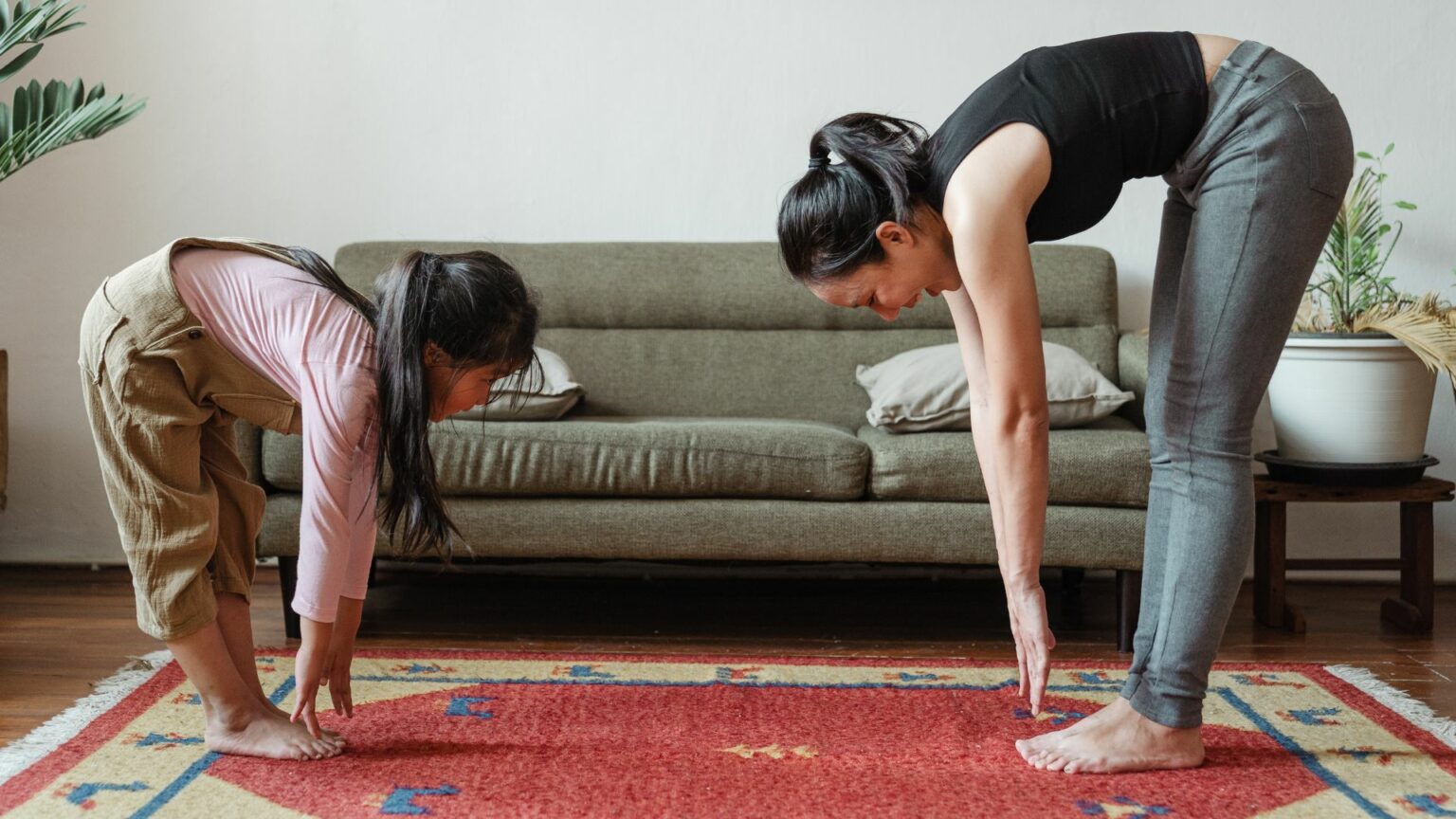
Children do not need specialized equipment to begin an age-appropriate yoga class. The basic setup is simple:
- comfortable clothing that allows easy movement;
- a yoga mat if it helps provide a stable, non-slip surface; and
- a clear practice area with enough room to move without hitting furniture or other people.
Props should be used only when they suit the activity and the instructor explains how to use them. There is no single mat thickness or equipment list that is right for every child.
What Yoga May Offer Children
Yoga combines physical postures, breathing, and attention practices. Depending on the activity and the child, age-appropriate yoga may support flexibility, strength, balance, and body awareness. These are possible benefits, not guaranteed results for every child.
The Centers for Disease Control and Prevention (CDC) recommends varied, enjoyable, age-appropriate physical activity for children. Yoga may be one part of an active lifestyle, but it does not need to replace other forms of movement and play.
NCCIH reviews of studies involving children and adolescents describe promising results for some social-emotional and mental-health outcomes. However, the studies have limitations, and the results are not considered definitive. Yoga should therefore be described as a supportive activity, not as a proven treatment or a guaranteed way to create calm, focus, or emotional well-being.
NCCIH guidance for children and complementary health approaches also makes an important distinction: complementary practices should not replace or delay conventional medical care.
Should Children Practice Yoga on Their Own?
Beginners are better served by learning age-appropriate movements through a qualified instructor or a structured children’s program. Direct guidance can help a child understand how to move without forcing a position and how to use breathing practices comfortably.
This page is not a pose tutorial and should not be used to teach advanced positions.
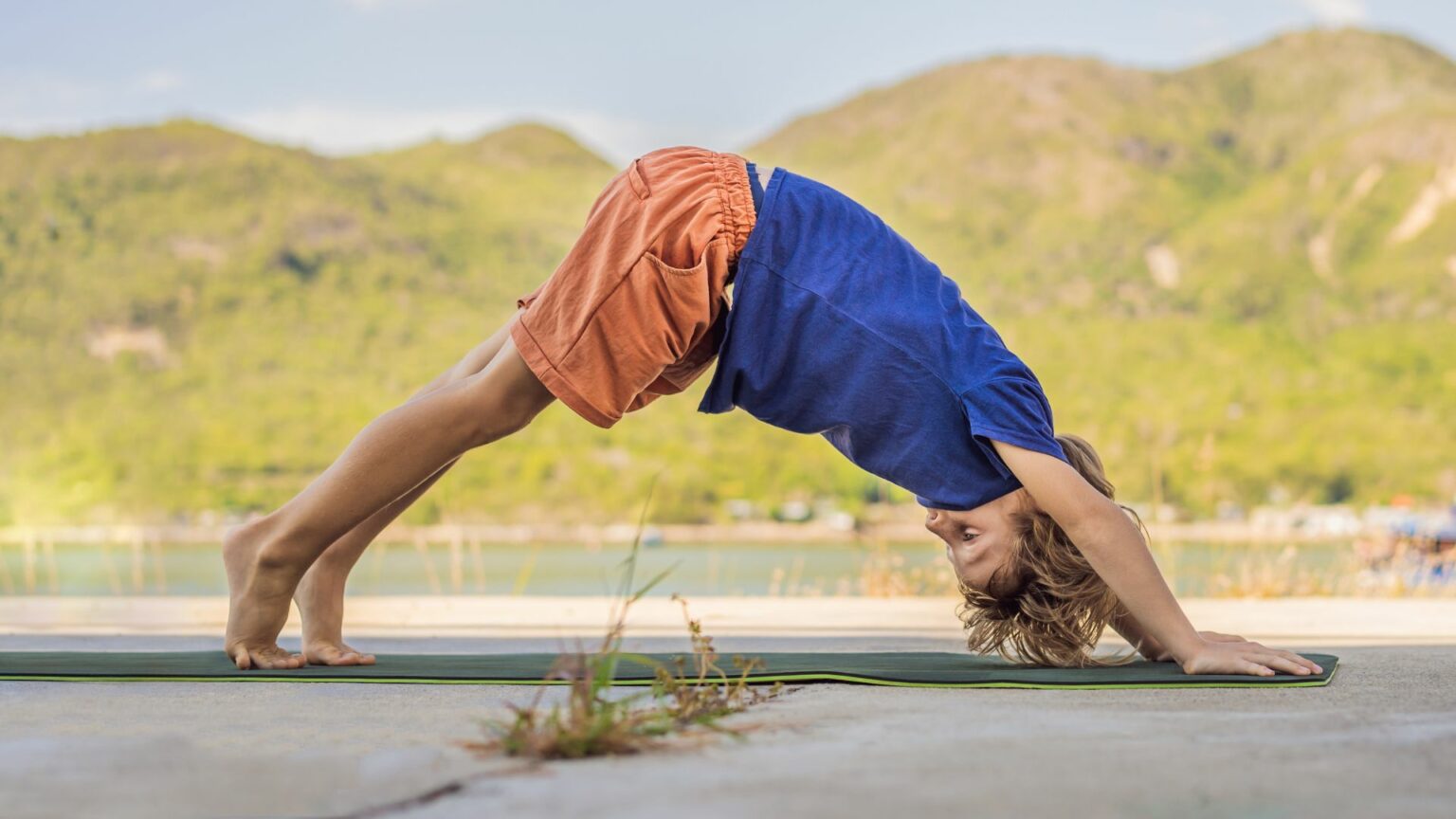
At home, a child may repeat simple movements that were already learned and understood in class, with responsible adult supervision appropriate to the child’s age and experience. Stop the activity if it causes pain, dizziness, numbness, or significant discomfort.
Headstands, shoulder stands, forced breathing, deep stretches, and other advanced or extreme practices should not be introduced casually or attempted without qualified guidance.
How Often Should Children Practice?
There is no universal schedule that every child should follow. Frequency and duration depend on the child’s age, interest, experience, the class format, and instructor guidance.
A short, manageable session can be more appropriate than a long class for a younger child or a beginner. Practice should not be treated as a performance target or forced when a child is uncomfortable.
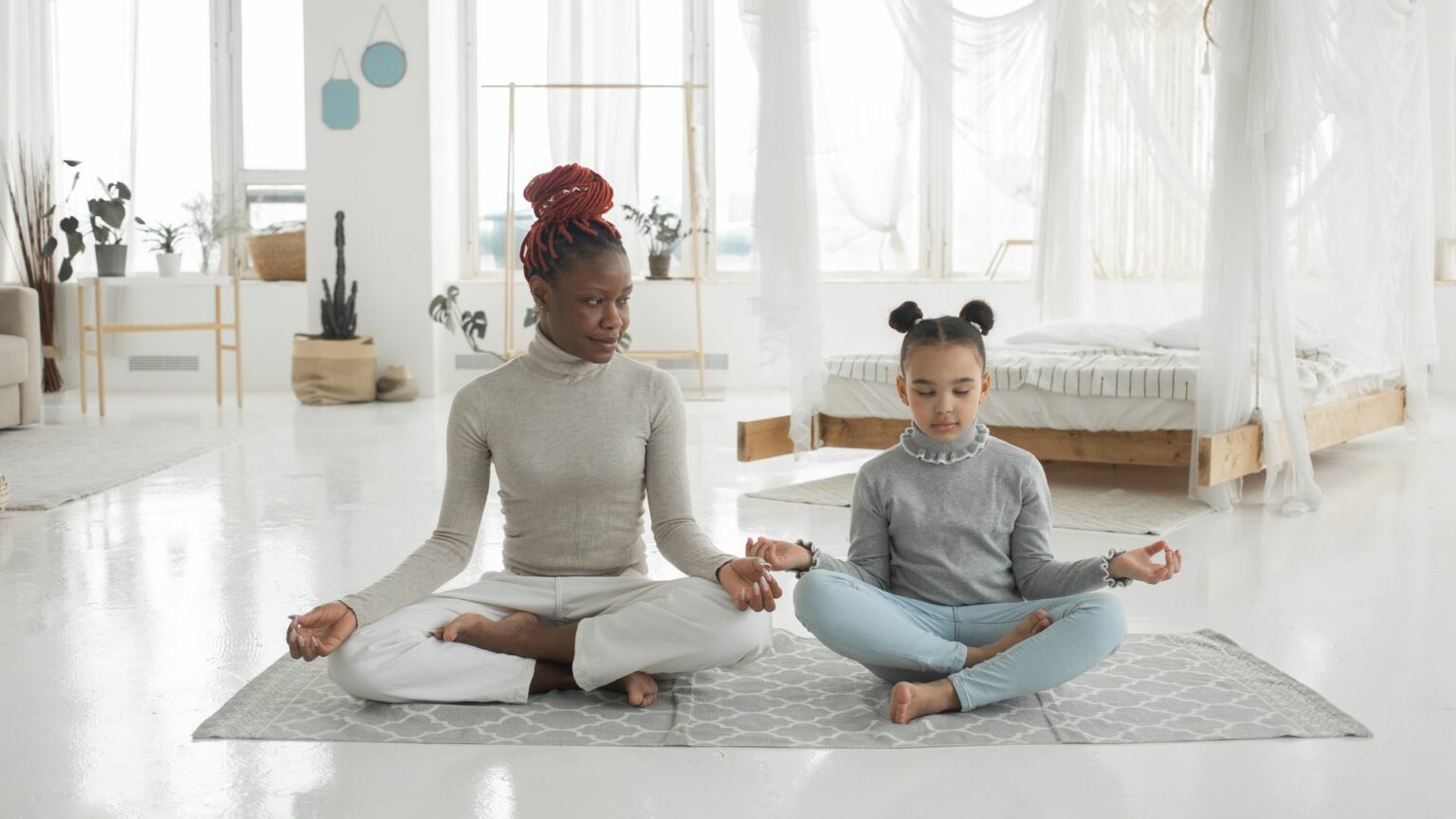
Regular, age-appropriate movement can be part of an active lifestyle, but no exact number of weekly classes or minutes guarantees a particular result. Comfort, safe instruction, and a format that keeps the child engaged matter more than meeting an arbitrary time target.
What to Expect From a Kids’ Yoga Class
A children’s yoga class may combine simple movement, breathing, rest, games, or storytelling. The exact format varies with the age group and the instructor. A well-run class should adapt activities to the children rather than expecting every participant to perform the same movement in the same way.
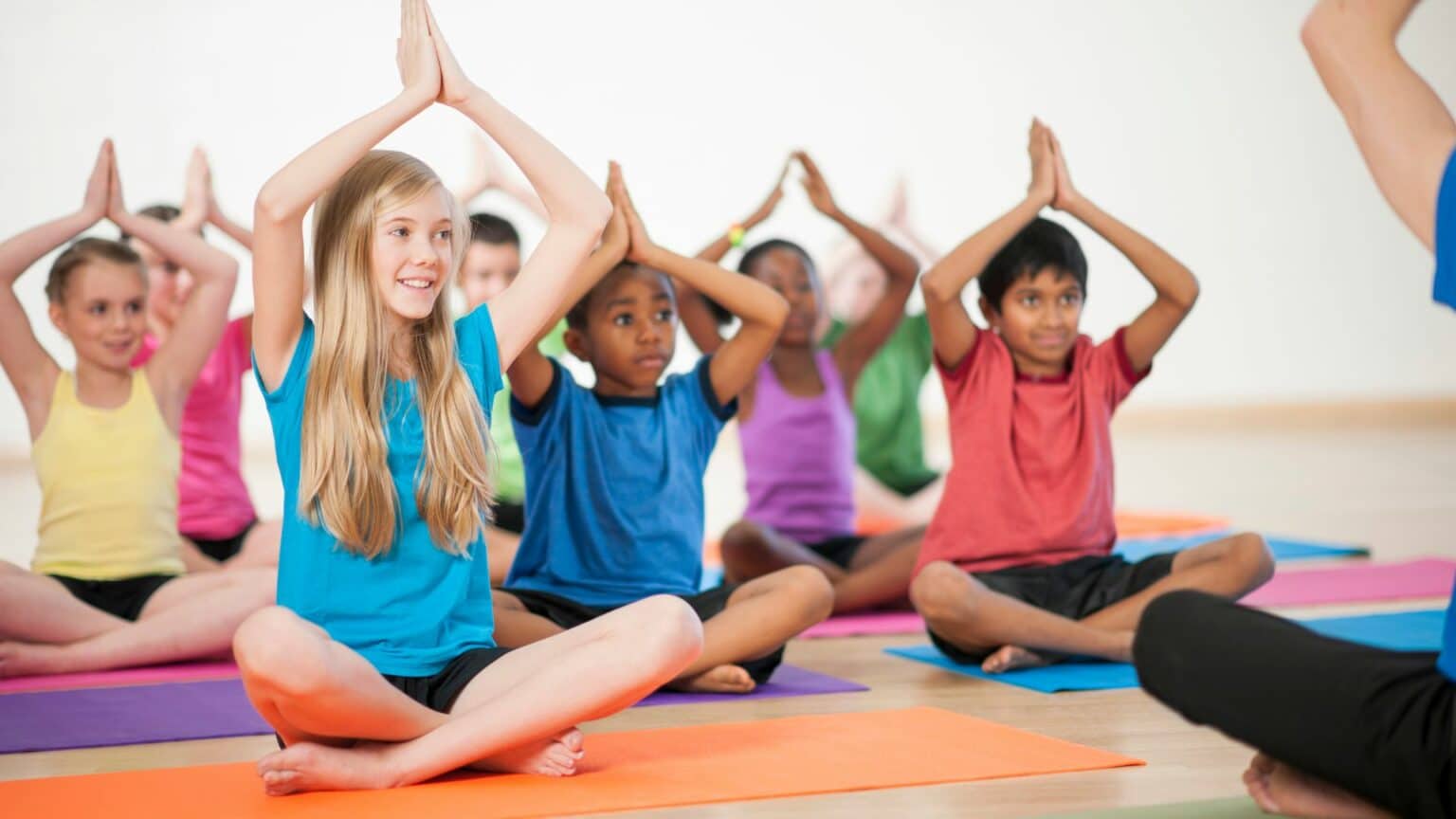
Before choosing a class, parents can ask about:
- the intended age range and class size;
- the instructor’s experience working with children;
- how movements are adapted for different abilities;
- supervision and safety procedures; and
- whether children may rest or skip an uncomfortable activity.
A class should not promise medical treatment or guaranteed emotional, academic, or athletic results. For more ways to explore age-appropriate movement, visit our Summer Sports and Active Play hub.
Safety and Age-Appropriate Practice
According to NCCIH safety guidance, yoga is generally considered safe for healthy people when it is practiced properly and under qualified guidance. Injuries can still occur, so “safe for all ages” is not an appropriate promise.
Beginners should use age-appropriate instruction and should not start with extreme or advanced practices. Children with health conditions or ongoing symptoms may need individualized guidance from their health care professional and instructor.
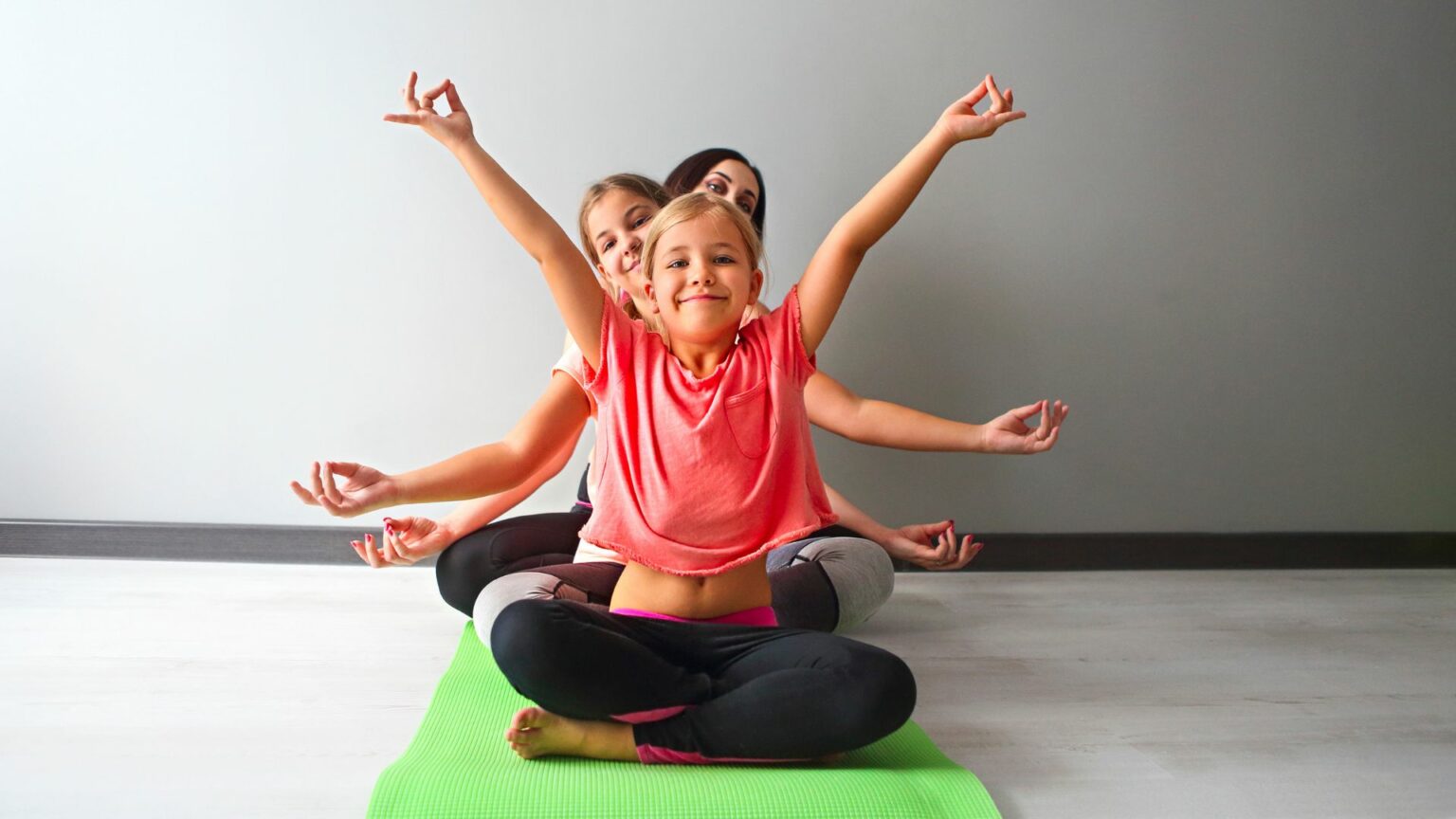
Simple safety principles include:
- choose qualified, age-appropriate instruction;
- use a clear, stable practice space;
- do not force a stretch or position;
- stop when movement causes pain or significant discomfort; and
- use only movements the child understands and can perform comfortably.
Yoga and other complementary approaches should not replace or delay conventional medical care. This article provides general educational information and does not diagnose or treat health conditions.
Copyright 2026 © Top Sports For Kids
Topsportsforkids.com is a participant in the Amazon Services LLC Associates Program, an affiliate advertising program designed to provide a means for sites to earn advertising fees by advertising and linking to Amazon.com.