
Go-Karts for Kids: Choosing a Suitable Kart and Riding Safely
Updated: October 24, 2026
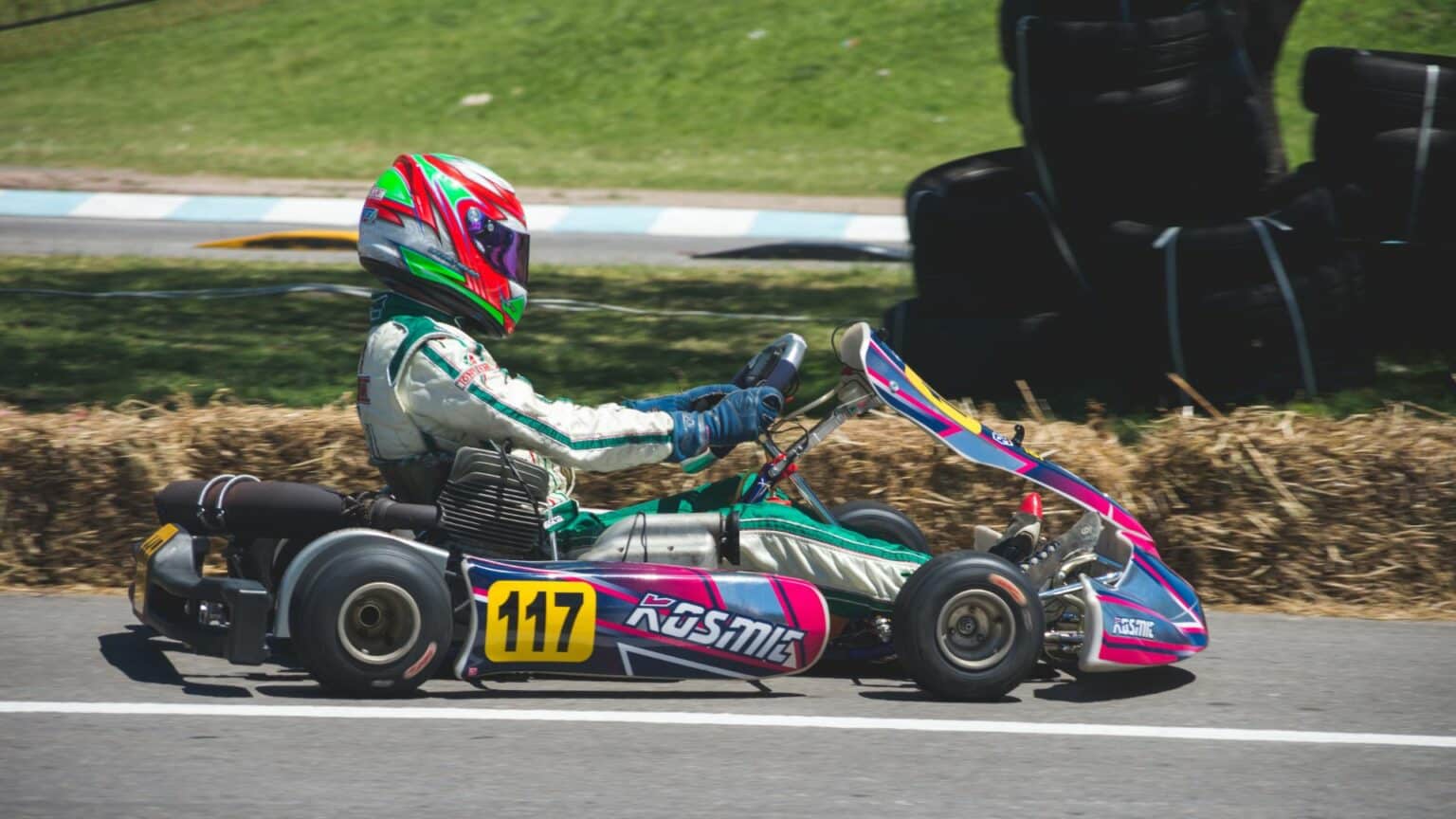
Children’s go-karts range from pedal-powered models to electric products and motorized off-road fun-karts. They are not interchangeable, and no single age, height, speed, or supervision rule applies to every product.
Before buying or allowing a child to ride, identify the exact model and read its current manufacturer manual. Confirm the rider limits, control reach, intended terrain, passenger rules, protective equipment, supervision, and pre-use inspection requirements. The U.S. Consumer Product Safety Commission (CPSC) fun-cart and go-kart guidance provides category and safety-standard context, but the instructions for the specific kart remain essential.
What Type of Go-Kart Are You Considering?
Start by identifying the type of product you are comparing:
- Pedal karts are child-powered and depend on the product’s own fit, braking, terrain, and supervision instructions.
- Electric karts use a battery and motor. Controls, speed settings, rider limits, and permitted surfaces vary by model.
- Motorized or off-road fun-karts may use gasoline or another motor system and may be designed only for specific off-road conditions.
These are practical product categories, not a safety ranking. Each model still needs to be checked against its current manual.
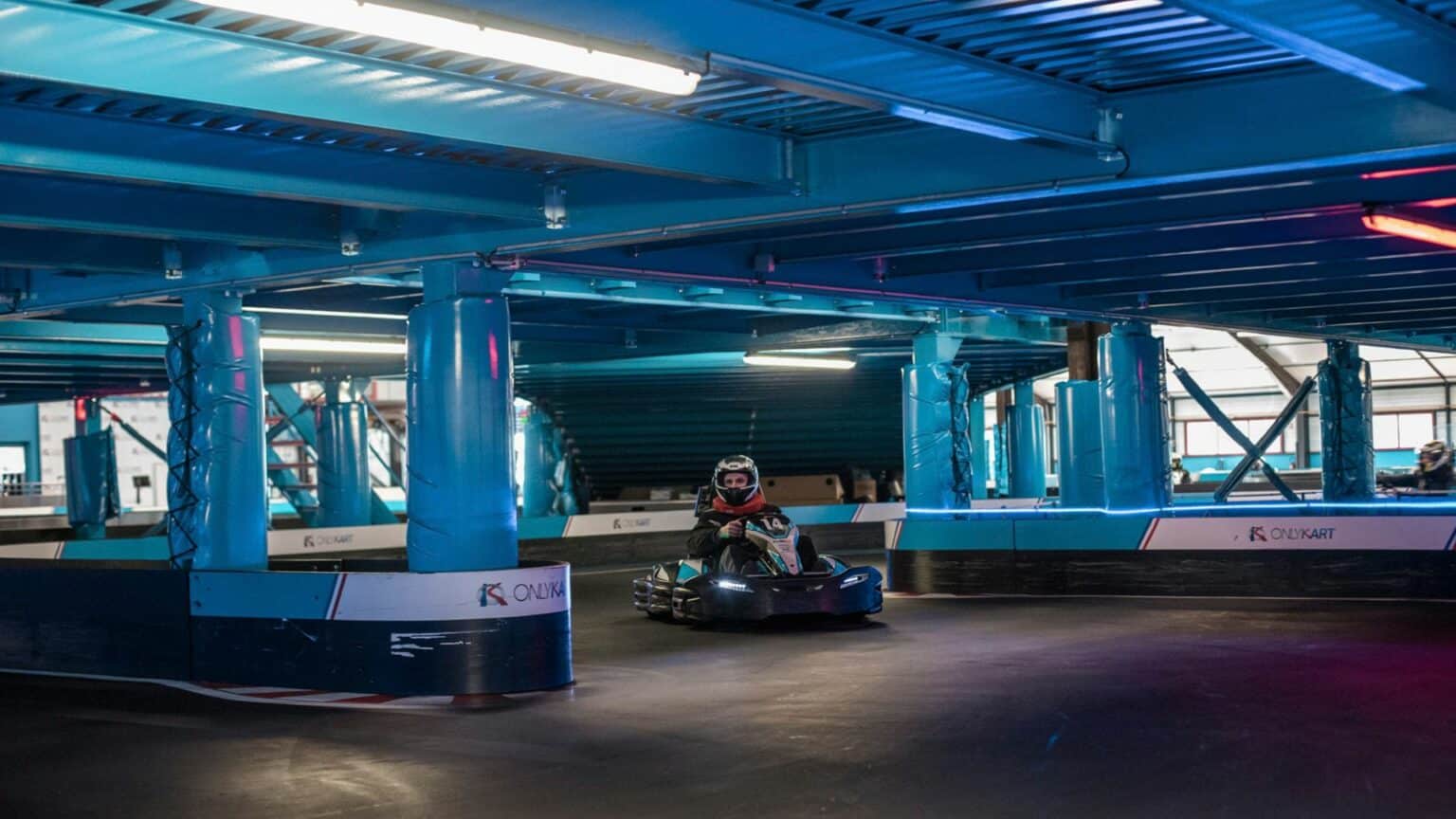
Do not assume that an electric kart is always the right first choice, or that a motorized kart is suitable simply because a child can sit in it. Steering, braking, speed controls, rider dimensions, passenger rules, and required supervision differ between products.
Marketplace titles sometimes group several sizes or variants together. Match the exact model number and configuration to the manufacturer’s manual before making a decision.
Check the Manufacturer’s Age, Weight, and Fit Limits
There is no reliable universal age or height cutoff for children’s go-karts. Check the current manual and product labels for the exact model. Relevant limits may include:
- minimum or maximum age guidance, when the manufacturer publishes it;
- maximum rider weight and other rider-dimension limits;
- seat, restraint, and passenger configuration;
- the ability to reach and operate the pedals, steering, brake, and other controls as designed; and
- adult supervision requirements.
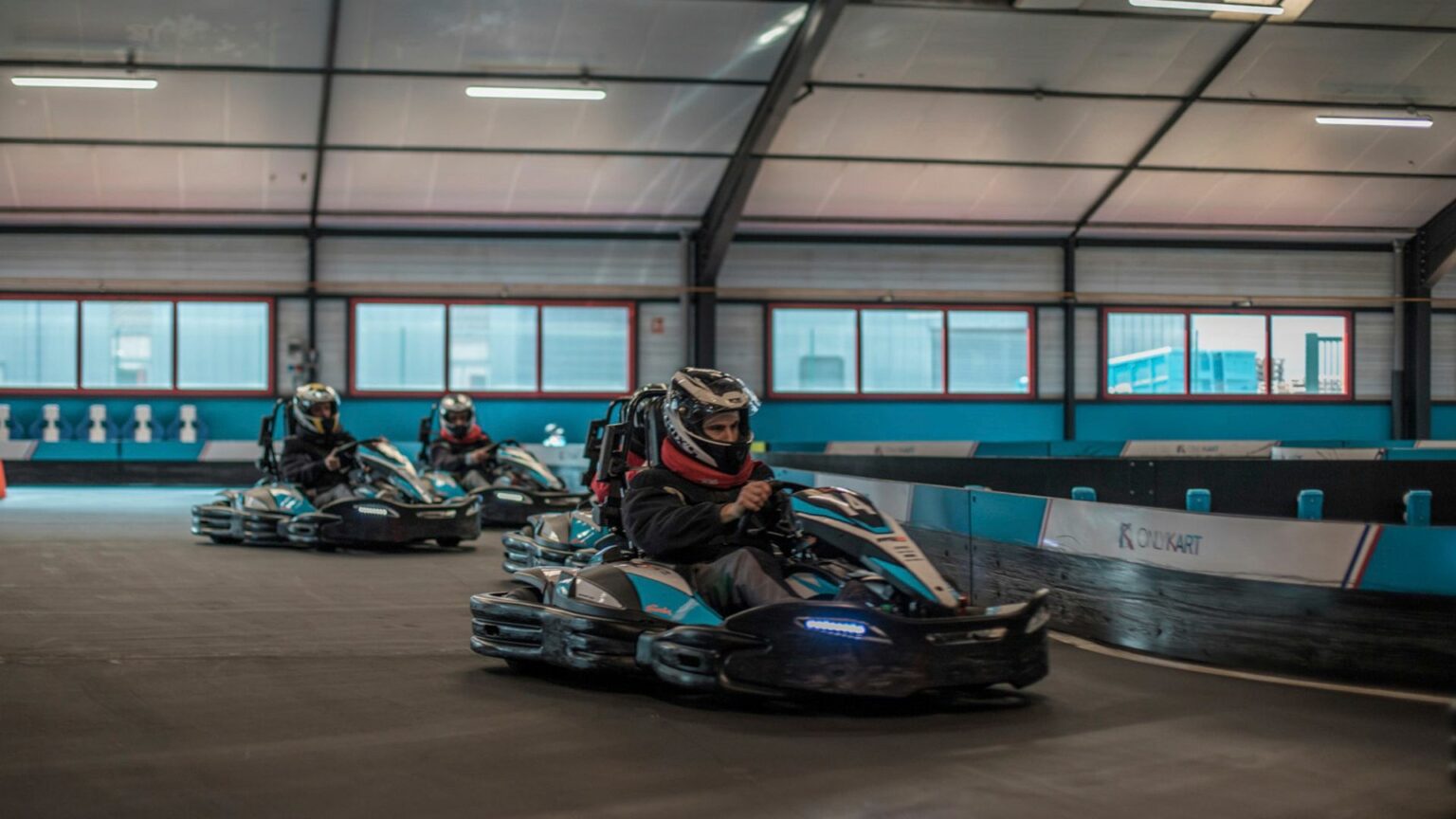
A child being able to sit in a kart does not by itself establish a suitable fit. The rider must meet the manufacturer’s limits and be able to use every required control without stretching, shifting out of the intended seating position, or losing contact with the seat or restraints.
Do not modify a seat, restraint, pedal, steering control, guard, or speed-control system to make an unsuitable kart appear to fit. If the manufacturer’s requirements cannot be met, choose a different model.
Where the Kart Is Designed to Be Used
Use a kart only on terrain and in locations permitted by the manual for that exact product. A pedal or electric model may allow certain hard surfaces, while a motorized consumer fun-kart may be specified for particular off-road terrain. The product label and manual—not a generic article—determine the intended use.
A driveway, parking lot, public road, or neighborhood street is not automatically an appropriate riding area. Traffic, pedestrians, slopes, water, obstacles, visibility, and applicable local rules must be considered in addition to the manufacturer’s restrictions.
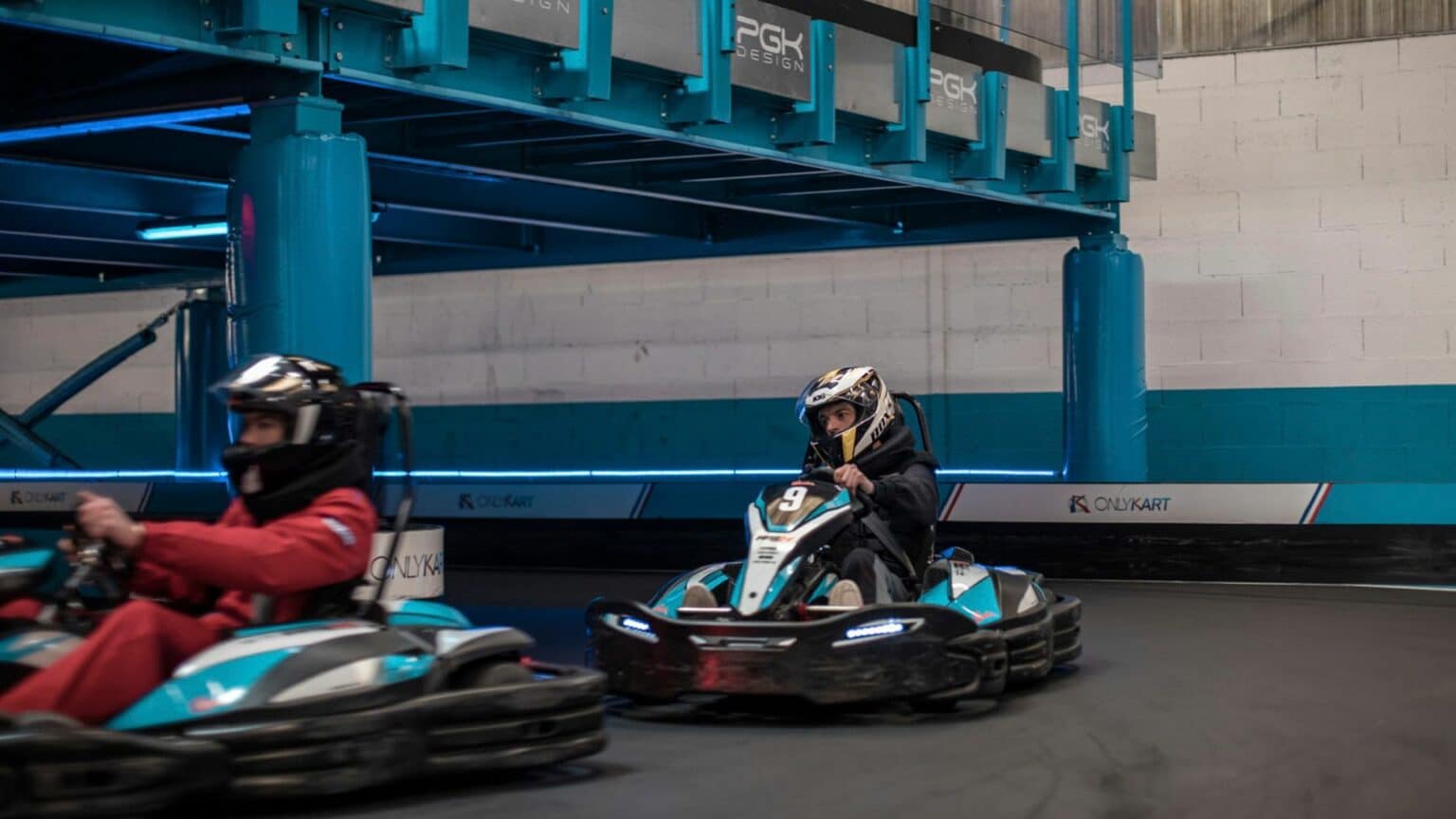
Products in this broad category can have very different speed limits and control systems. Top speed should never be treated as a shortcut for deciding whether a kart suits a child.
If a model includes speed modes, limiters, remote controls, or other control features, use them only as the manufacturer describes. Do not assume that a lower setting cancels other age, weight, fit, terrain, supervision, or protective-equipment requirements.
Safety Equipment and Pre-Ride Checks
Safety equipment and inspection steps depend on the exact kart. The CPSC’s Fun Carts/Go-Karts FAQ provides federal product-category and standards context. It should be read together with the current manufacturer manual, warnings, and labels for the product being considered.
ASTM F2011 is a voluntary consensus standard reference for fun-karts. It addresses safety-related design, construction, testing, labeling, and instructions within its scope. It is not a claim that every kart complies, that every kart is safe, or that the CPSC has one universal mandatory rule covering every product sold as a go-kart.
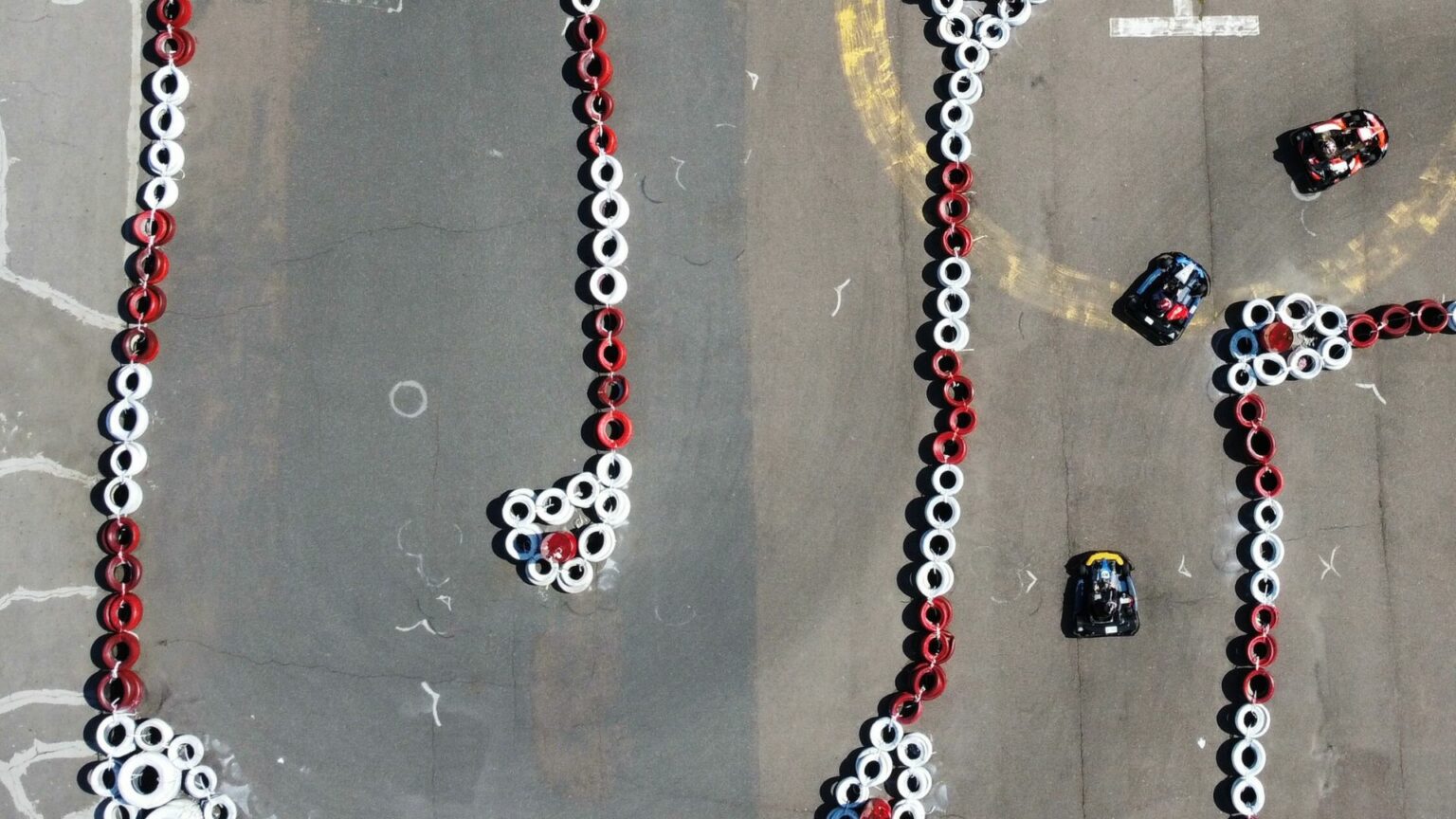
Before each ride, follow the inspection procedure in the exact manual. Depending on the model, that may include checking:
- the protective equipment required or recommended by the manufacturer;
- restraints, guards, controls, switches, and other installed safety equipment;
- tires, brakes, steering, fasteners, batteries, fuel systems, and other specified components;
- damage, missing parts, loose hardware, or warnings that must be resolved before use; and
- the required level of responsible adult supervision.
The CPSC’s historical go-kart report offers background on injury mechanisms and design concerns. Because it is historical, it should not be turned into a current universal age, size, terrain, or protective-equipment rule.
What to Compare Before Buying
Use a model-by-model checklist rather than a generic age chart:
- exact model and variant;
- pedal, electric, or motorized drive system;
- manufacturer age, weight, and rider-dimension limits;
- reach to pedals, steering, brake, and other controls;
- seat, restraint, guard, and passenger configuration;
- intended terrain and prohibited locations;
- speed modes and control features;
- protective-equipment and supervision instructions; and
- assembly, inspection, maintenance, storage, and replacement-part requirements.
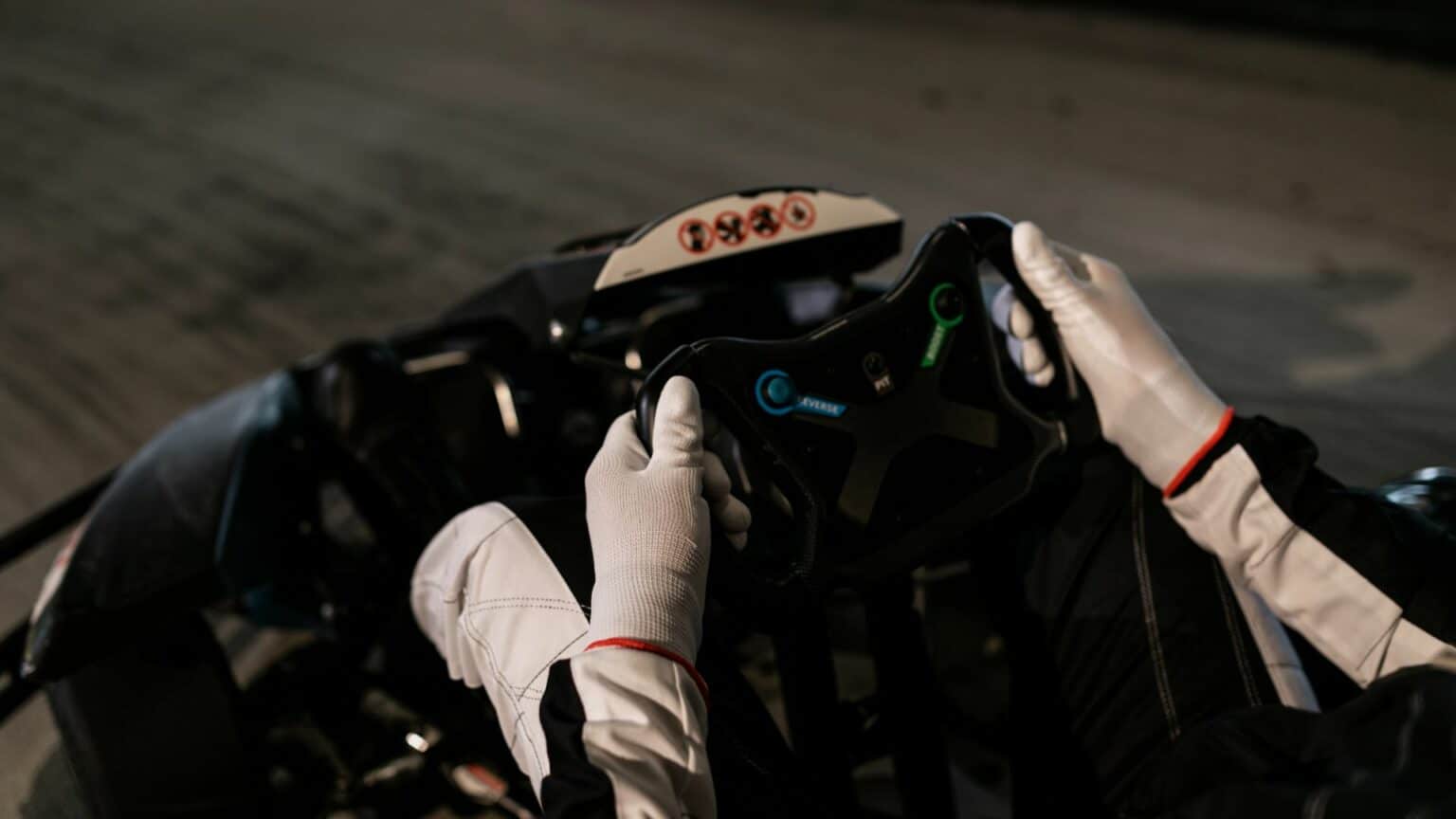
Do not rely on a marketplace title, a price range, or a general “kids’ kart” label. Confirm the current manual and model number before purchase, and keep the manual available for assembly, pre-use checks, maintenance, and future riders.
For another example of choosing child-sized wheeled equipment, see our scooter selection guide. The Summer Sports and Active Play hub provides broader navigation to active-play resources.
Questions Parents Often Ask
What age can a child start using a go-kart?
There is no universal starting age. Use the exact model’s current manual and labels. Age guidance, weight limits, rider dimensions, control reach, terrain, speed, and supervision requirements must all be considered together.
Is an electric kart always the best beginner option?
No. Electric models differ in size, controls, speed settings, surfaces, and supervision requirements. Compare the exact product with the child’s fit and the manufacturer’s instructions instead of relying on the power source alone.

Can a child ride on a driveway or in a parking lot?
Do not treat either location as generally suitable. Use only locations and terrain permitted by the exact manual, and account for traffic, pedestrians, obstacles, slopes, visibility, and local rules.
What protective equipment is needed?
Follow the current manual for the exact kart. Helmet and other protective-equipment requirements can differ by product and use. Protective equipment does not replace correct fit, permitted terrain, supervision, maintenance, or the kart’s specified safety systems.
Related Resources

Copyright 2026 © Top Sports For Kids
Topsportsforkids.com is a participant in the Amazon Services LLC Associates Program, an affiliate advertising program designed to provide a means for sites to earn advertising fees by advertising and linking to Amazon.com.