
The 10 Best Ski Jackets for Kids of 2026
Last Updated: October 11, 2026
A good kids’ ski jacket should keep snow and wind out without making it hard to move. The right choice depends on your child’s size, the weather they’ll ski in, and what they’ll wear underneath. Look for an easy-to-use zipper, cuffs that close over gloves, and a hood that works with their helmet if they use one.
Below, we look at ten jacket options and the details worth checking before you buy. Product names, features, sizes, and availability can change, so confirm the current listing and size chart rather than relying on a jacket’s appearance alone.
Best Ski Jackets for Kids of 2026 - Top 10 Reviews
Let us introduce you the best ski jacket for kids
Our Top Pick
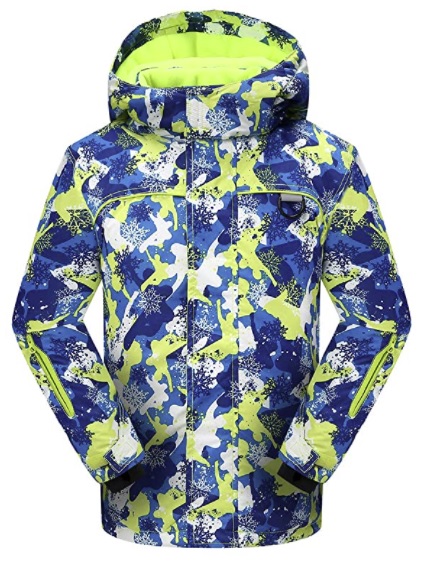
PHIBEE Ski Jacket for Kids
Amazon.com
The PHIBEE jacket is worth a look if your child wants a colorful outer layer for skiing and snow play. Before choosing a size, check the current listing for its shell construction, seam treatment, lining, and cuff design; different versions may have different details.
Have your child raise their arms, bend, and turn while wearing their usual base and midlayers. The hem should still cover their waist, and the sleeves should meet their gloves without bunching. For wet conditions, look for a clearly stated waterproof rating or seam-sealing information rather than assuming that ‘waterproof’ in a title tells the whole story.
Best Price
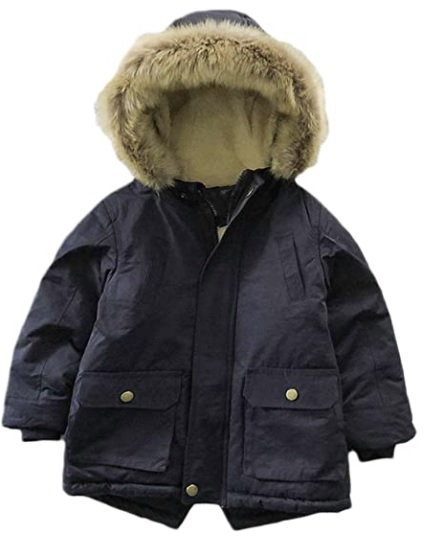
Mallimoda Ski Jackets for Kids
Amazon.com
The Mallimoda jacket may appeal to families looking for a casual snow jacket that can also be worn off the slopes. Check the exact product page for the insulation, hood, pocket closures, and whether the outer fabric is described as water-resistant or waterproof; those terms are not interchangeable.
For a child who spends a lot of time sitting or rolling in snow, pay special attention to the hem, cuffs, and coverage over snow pants. If the jacket is mainly for short outings in dry weather, comfort and an easy fit over layers may matter more than technical extras.
Best Quality
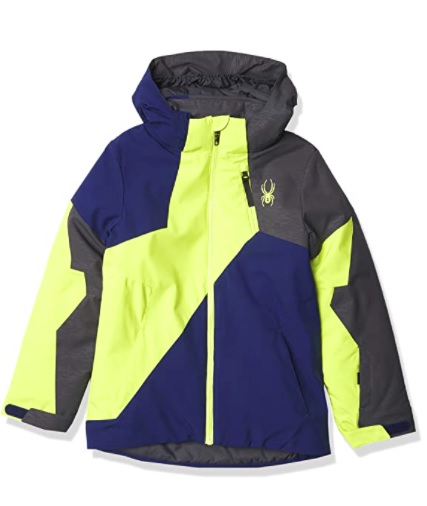
Spyder Ski Jackets for Kids
Amazon.com
Spyder makes several children’s ski-jacket styles, so compare the specifications of the exact model linked here rather than assuming every Spyder jacket has the same insulation or features. A secure hood, adjustable cuffs, and accessible pockets can make a real difference on a long ski day.
For active kids, balance warmth with ventilation and room to layer. Read the current size chart and care instructions, and check any stated waterproofing or breathability ratings against the conditions you expect. No single temperature claim can guarantee comfort: activity level, wind, moisture, and layers all affect how warm a child feels.

GEMYSE Ski Jackets for Kids
Amazon.com
The GEMYSE jacket is an option to compare if you want a winter outer layer for skiing and everyday snow play. Look closely at the current model’s hood, wrist closures, zipper flap, and insulation before deciding whether it suits your child’s weather and activities.
Fit is just as important as the feature list. Try it with the layers your child will actually wear; they should be able to move their arms freely, and the jacket should overlap their snow pants when they crouch. Check the listing for care instructions and the seller’s return policy in case the first size is not right.
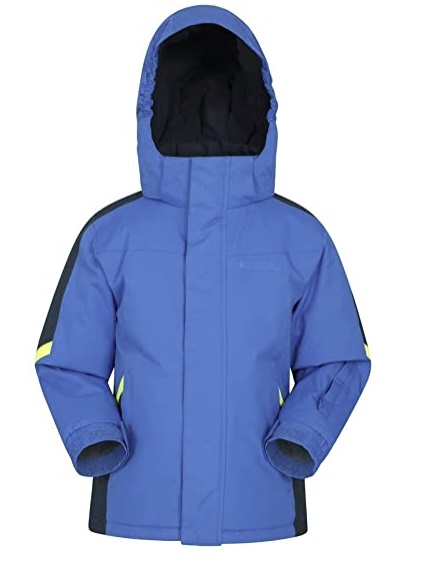
Mountain Warehouse Ski Jackets for Kids
Amazon.com
Mountain Warehouse offers kids’ snowwear in a range of styles. For the jacket shown here, confirm the current fabric specification and whether features such as a snow skirt, adjustable cuffs, or a lined hood are included on this particular model.
A snow skirt can help limit snow entering at the waist after a fall, but it works best alongside snow pants that sit high enough for good overlap. For beginners who frequently kneel or sit in the snow, prioritize reliable coverage and dry gloves over decorative details.
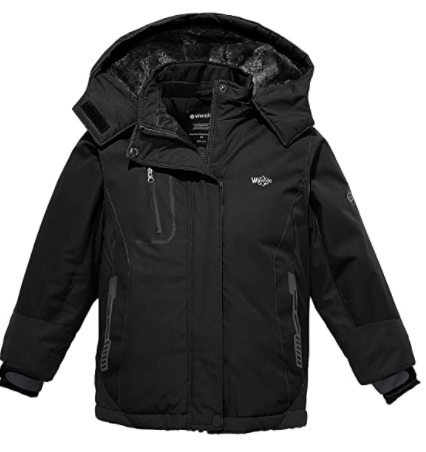
Wantdo Ski Jackets for Kids
Amazon.com
The Wantdo jacket is another choice to compare for cold-weather outings. Check the exact version for its hood design, cuffs, pockets, and weather-resistance claims; product details can vary by size and seller.
Before buying, make sure the zipper is manageable for your child and that the cuffs fit comfortably with gloves. Test the jacket with a base layer and a fleece or other midlayer so there is room to move without leaving a drafty gap at the waist. In persistently wet snow, verify the garment’s water protection instead of treating a water-resistant finish as fully waterproof.
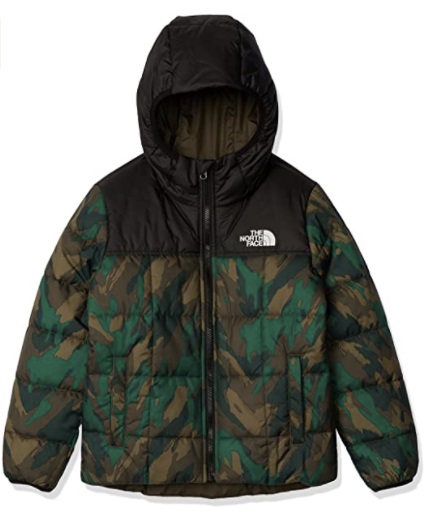
The North Face Ski Jackets for Kids
Amazon.com
The North Face sells different children’s winter and ski jackets, and the features of one model should not be assumed to apply to another. Check the exact jacket’s insulation, shell, hood fit, and care label on the current listing.
Think about where it will be worn most often. A jacket that feels comfortable for a walk to school may not offer the same snow protection needed for repeated falls on the slopes. If your child skis in a helmet, check hood compatibility and make sure the collar does not press uncomfortably against their face.
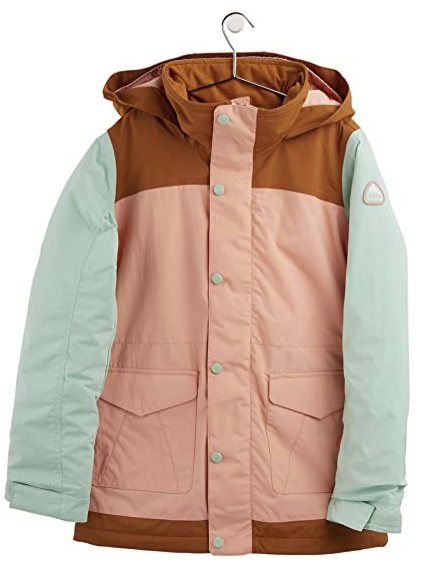
Amazon.com
Burton’s children’s outerwear is worth comparing when you need a jacket for regular days on the snow. Confirm which features the specific model offers, such as vents, a snow skirt, or a jacket-to-pant connection, rather than assuming they are included across the brand’s range.
Check the listed fit and size chart with a midlayer underneath. Kids should be able to reach forward, fasten their own zipper, and keep the hem over their snow pants while bending. If a jacket has vents, show your child how to close them before a lift ride or a colder spell.
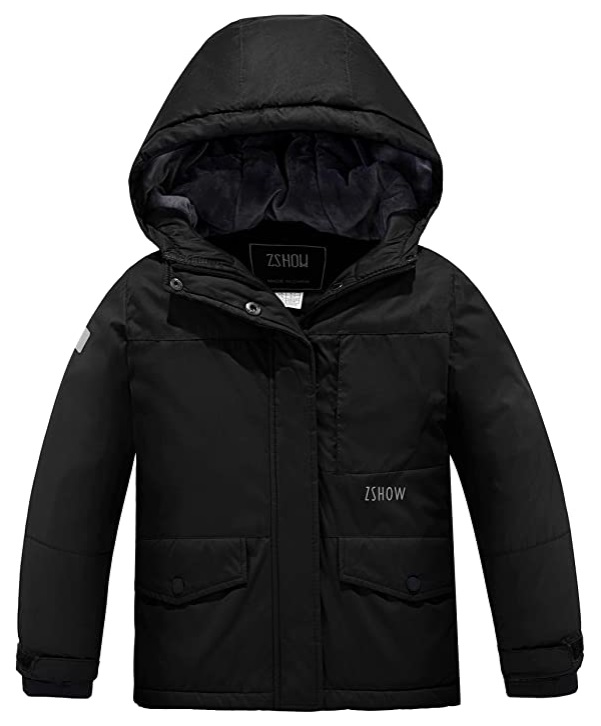
ZSHOW Ski Jackets for Kids
Amazon.com
The ZSHOW jacket is one of the options here for families comparing kids’ winter layers. Review the current listing for its shell fabric, lining, hood, and cuff details; colors and specifications can vary between versions.
A comfortable collar and a secure fit around the wrists help on windy days, but the whole clothing system matters. Pair the jacket with suitable base and midlayers, and check that your child can move and use their gloves easily. If you expect wet snow, look for explicit information about water resistance and seam construction.
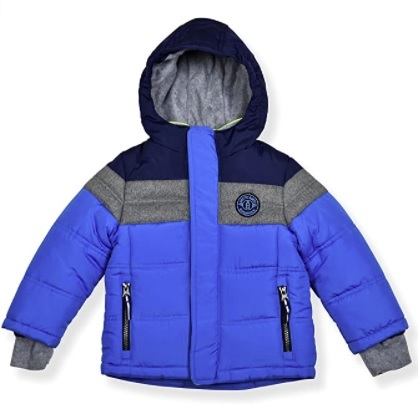
Arctic Quest Ski Jackets for Kids
Amazon.com
The Arctic Quest jacket may suit families shopping for a child’s insulated winter coat. Check the exact model’s fabric, insulation, hood, closures, and sizing before treating it as a dedicated ski jacket; not every warm coat is designed for extended time in wet snow.
Focus on a fit that covers the waist when your child sits or crouches and leaves space for a light midlayer. For snowy outings, look at the cuffs and the overlap with snow pants. Review the care label too, since keeping an outer layer clean and properly dried helps it perform as intended.
Guide to Buying the Best Ski Jacket for Kids
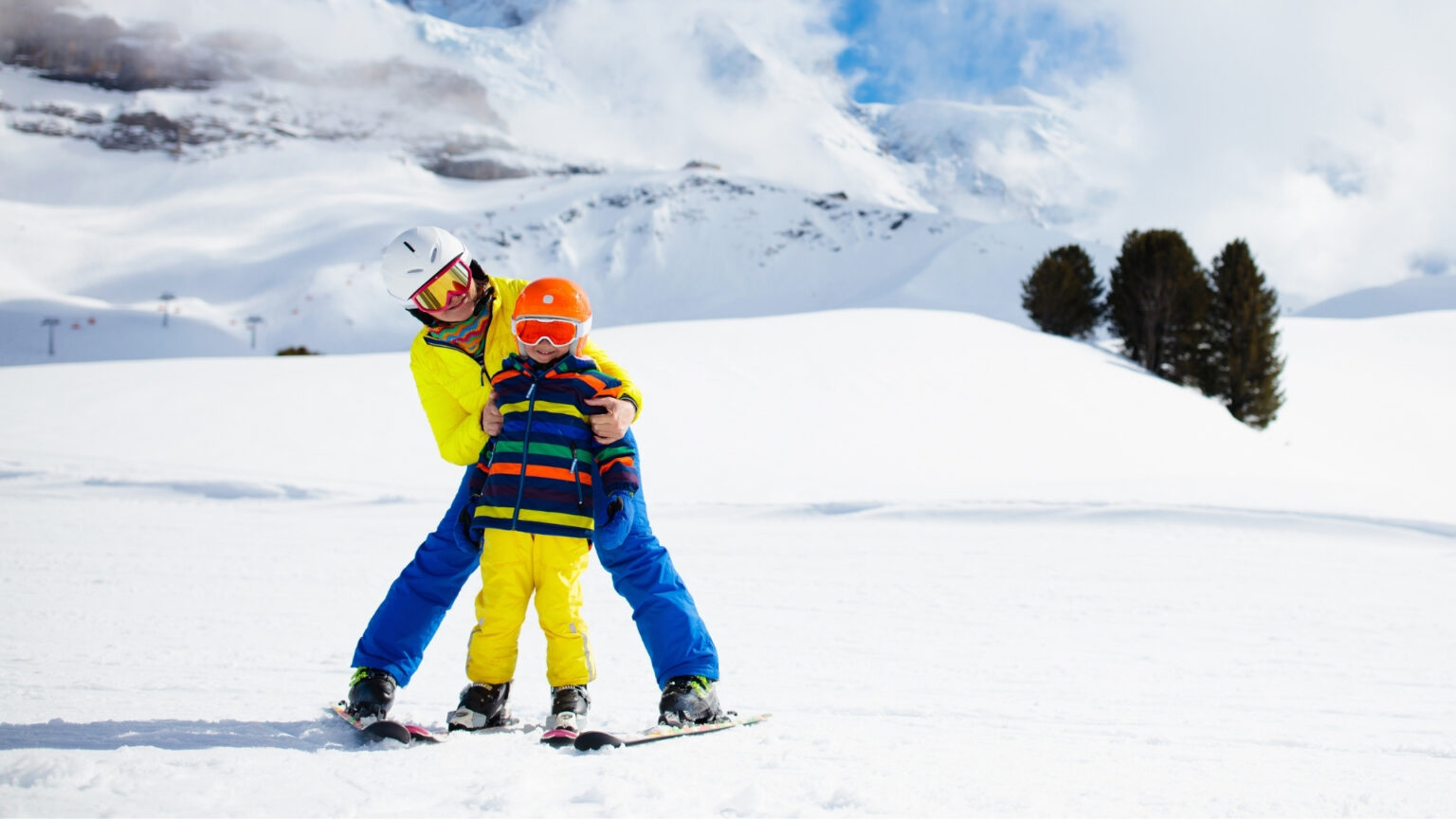
Are ski jackets the warmest?
Are ski jackets warmer than regular winter coats? Not necessarily. Warmth depends on insulation, layers, fit, activity, wind, and moisture. A ski jacket is usually designed to manage movement and snow exposure, while a winter coat may prioritize warmth for less active use. Neither label alone tells you how a child will feel outside.
For skiing, look beyond insulation: consider the shell’s weather protection, cuff and hem coverage, and whether the jacket works with a helmet and snow pants. On very cold days, add a suitable midlayer rather than buying an overly tight coat. On milder, active days, breathable layers and the ability to vent heat can help prevent overheating.
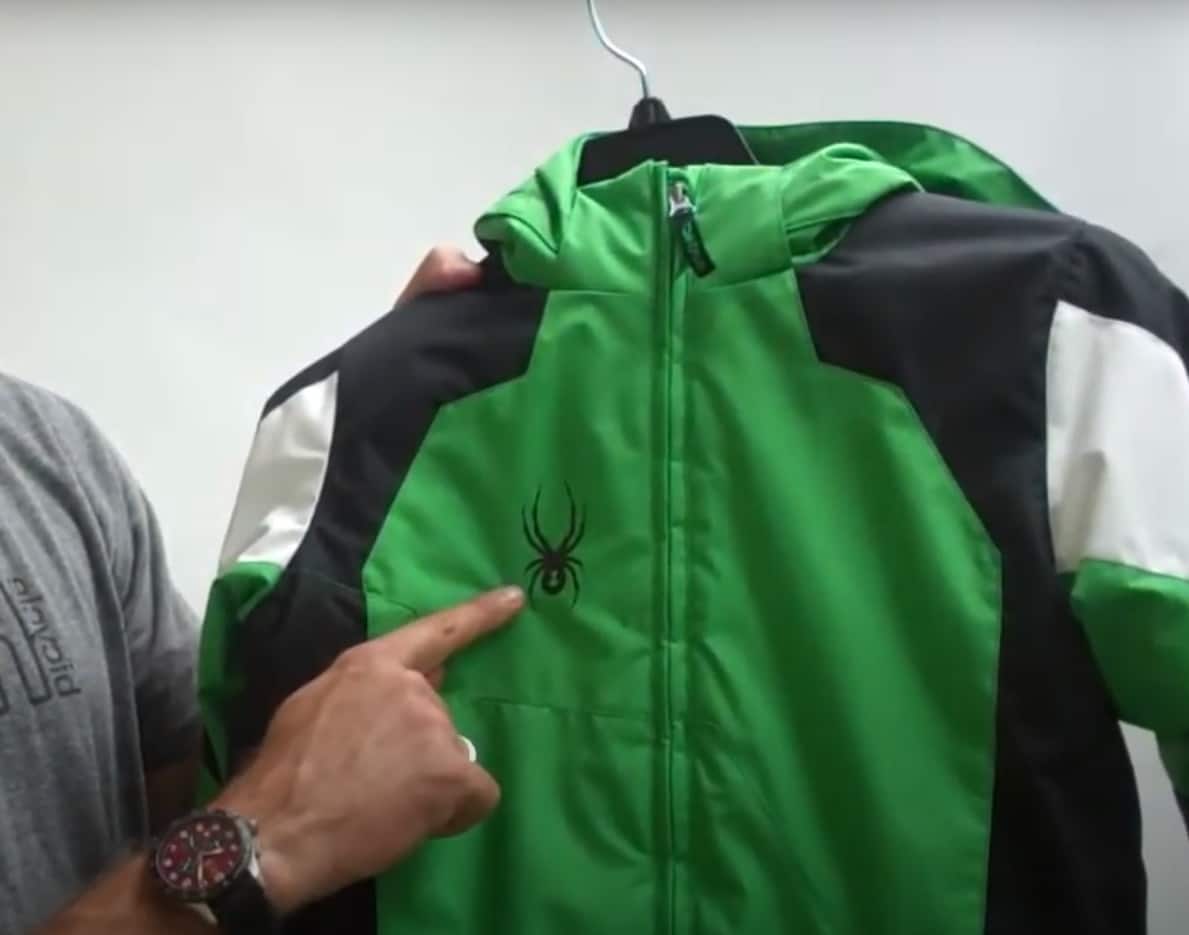
Should ski jacket be tight or loose?
A child’s ski jacket should have room for base and midlayers, but it should not be so oversized that the sleeves hide their hands or the hood blocks their view. Ask them to reach overhead, bend at the waist, and turn side to side while wearing the layers they will ski in.
Check the sleeve length with gloves on and the hem with snow pants on. The jacket should stay over the waistband when your child crouches. Use the maker’s current size chart, because age labels are only a starting point. If your child is between sizes, compare actual measurements and the cut of the jacket instead of automatically sizing up.
Should ski jackets be short or long?
Should a kids’ ski jacket be short or long? Choose the length that stays in place while your child bends and sits. A slightly longer hem can add coverage, but a jacket that is too long may feel awkward when skiing or getting on a lift.
Try the jacket with snow pants and let your child move around. The jacket and pants should overlap without a gap at the waist. A well-fitting snow skirt, when the model includes one, can help keep snow out after a fall; it is not a substitute for a comfortable fit.
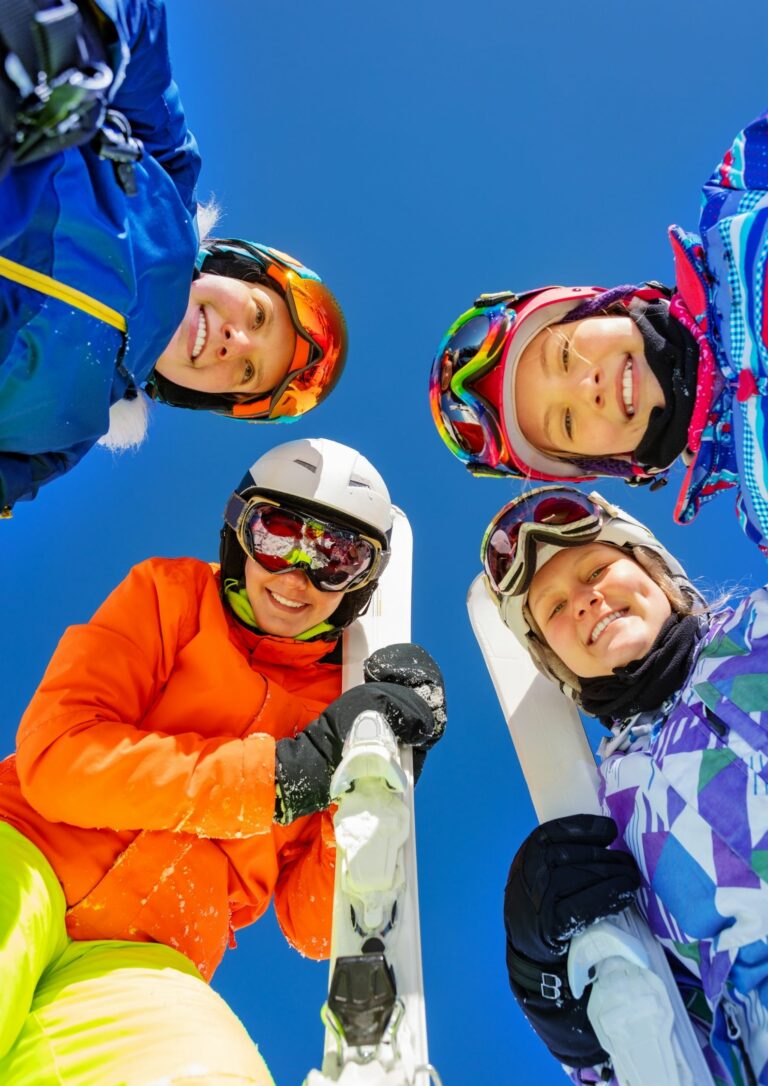
Also check practical details: can your child work the zipper while wearing gloves, and are the pockets easy to reach? If they ski with a helmet, try the hood over it and make sure they can still look left and right. Adjustable cuffs are useful for closing the gap between jacket sleeves and gloves.
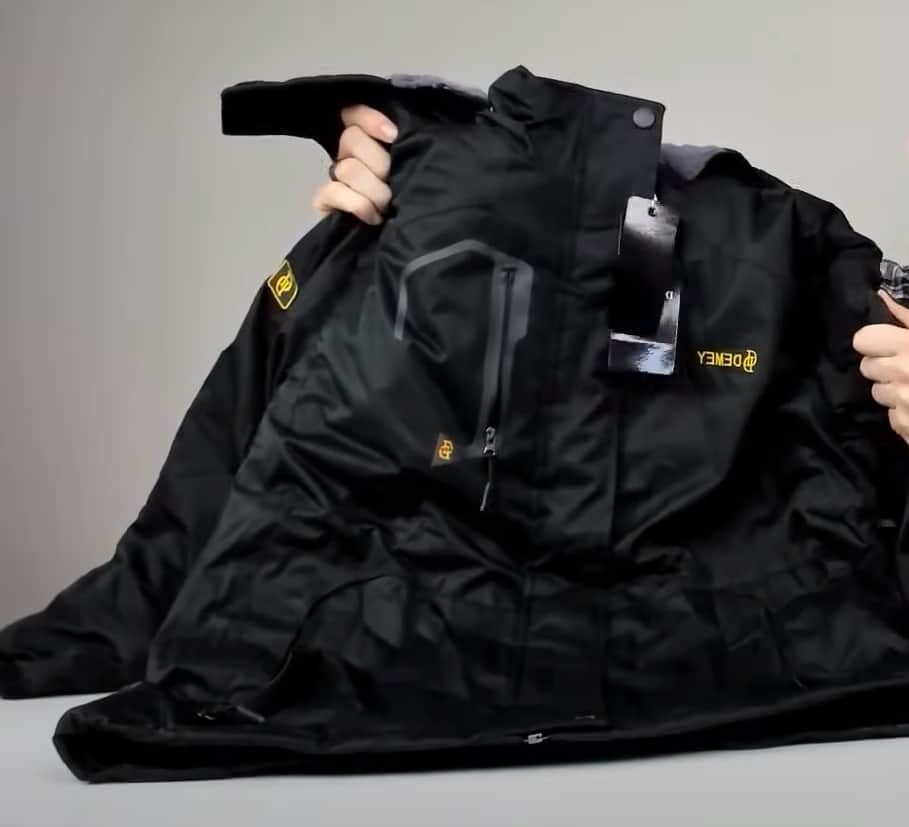
What is the best ski jacket material?
There is no single best fabric for every child or every mountain. Many ski-jacket shells use synthetic materials with a durable water-repellent finish and, in some models, a waterproof-breathable membrane. Compare the exact garment’s stated waterproofing, breathability, and seam construction, especially if your child skis in wet snow.
Insulation also varies. Synthetic insulation can retain some warmth when damp, while down needs more care to stay dry. An uninsulated shell offers flexibility with layers but may not be warm enough on its own. Choose based on the expected weather, your child’s activity level, and how easily you can wash and dry the jacket according to its care label.
You Also May Like
Copyright 2026 © Top Sports For Kids
Topsportsforkids.com is a participant in the Amazon Services LLC Associates Program, an affiliate advertising program designed to provide a means for sites to earn advertising fees by advertising and linking to Amazon.com.