7 Snowboards for Kids: A Practical Buying Guide of 2026
Last Updated: October 11, 2026
Before comparing boards, decide where your child will ride. A lightweight backyard slider and a snowboard made for a ski resort serve different purposes. Check the manufacturer’s terrain guidance, rider limits and instructions; a snow-play toy should not be used as a substitute for lift-served equipment.
This guide compares seven listed options and then walks through fit, lessons and the real cost of getting started. Product names alone do not confirm current specifications or availability. Verify the exact model, seller, boots and bindings before ordering, especially when a listing does not clearly distinguish recreational play from resort use.
Seven Kids' Snowboards to Compare
Compare these seven options by intended terrain, fit, and the type of riding your child wants to learn.
SPORTSSTUFF Snowboard for Kids
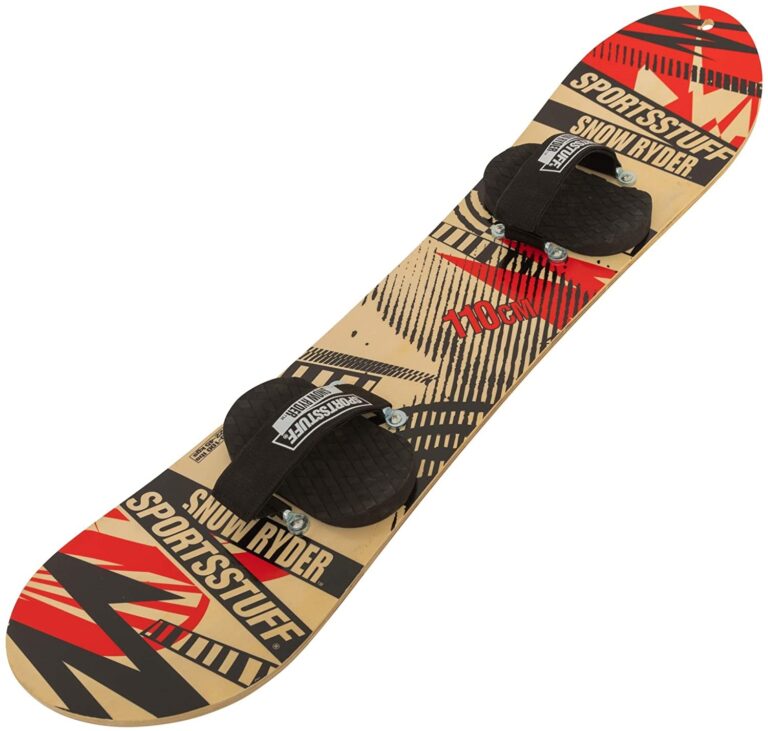
The Sportsstuff Snow Ryder is commonly described as a hardwood board for introductory sliding on a small snowy hill. That does not make it a resort snowboard. Check the instructions for the specific version, including its rider limits and permitted terrain, before choosing a slope.
Best considered for: supervised recreational use where the manufacturer allows it. Check before purchase: whether the straps accommodate your child’s winter boots, the weight guidance and any restriction on hills or surface conditions. For a ski-school lesson, ask about rental equipment instead of assuming a backyard board will be accepted.
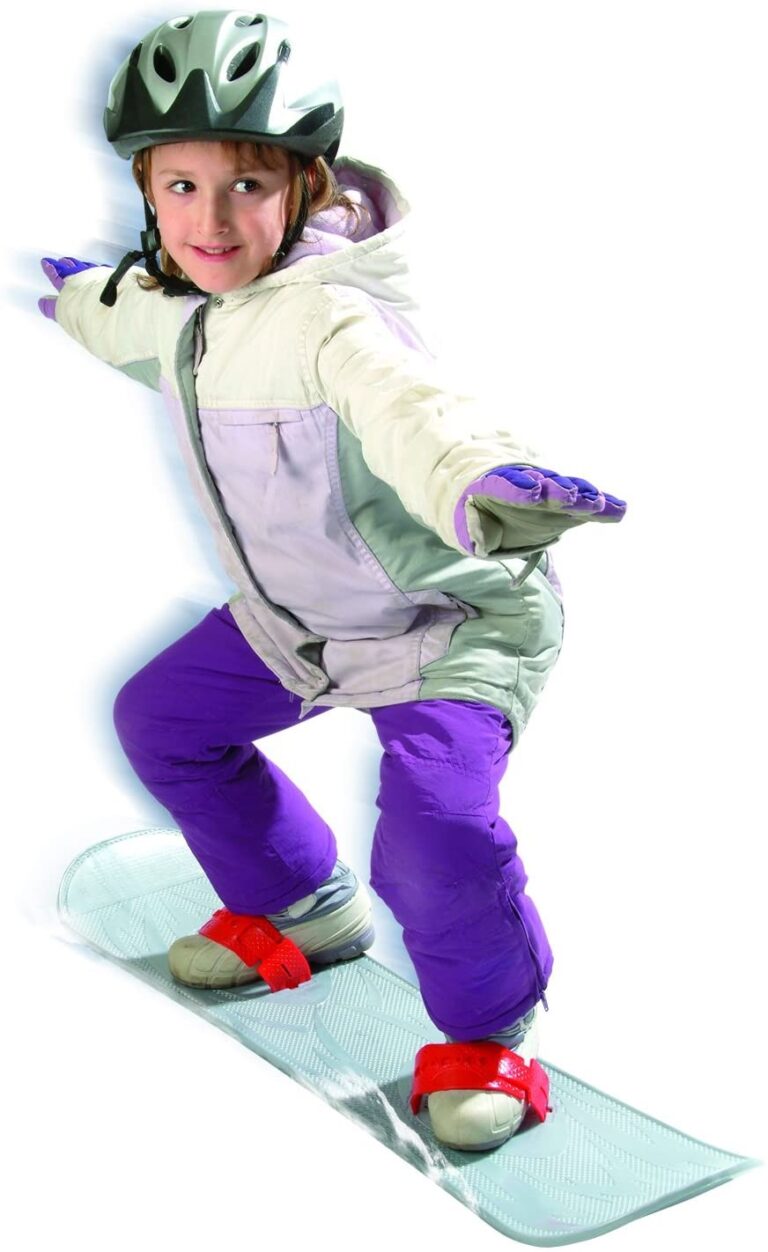
Emsco Group Snowboard for Kids
An Emsco children’s board can be a way to try balancing and sliding in the snow, but its name does not establish suitability for a ski area. Different listings may describe different versions. Read the current instructions for the model you are actually buying rather than relying on a product photo.
Best considered for: supervised play on terrain approved for the particular board. Check before purchase: the rider limits, dimensions, boot and strap fit, and whether the product is classified as recreational snow-play gear or resort equipment. If those details are missing, ask the seller before ordering.
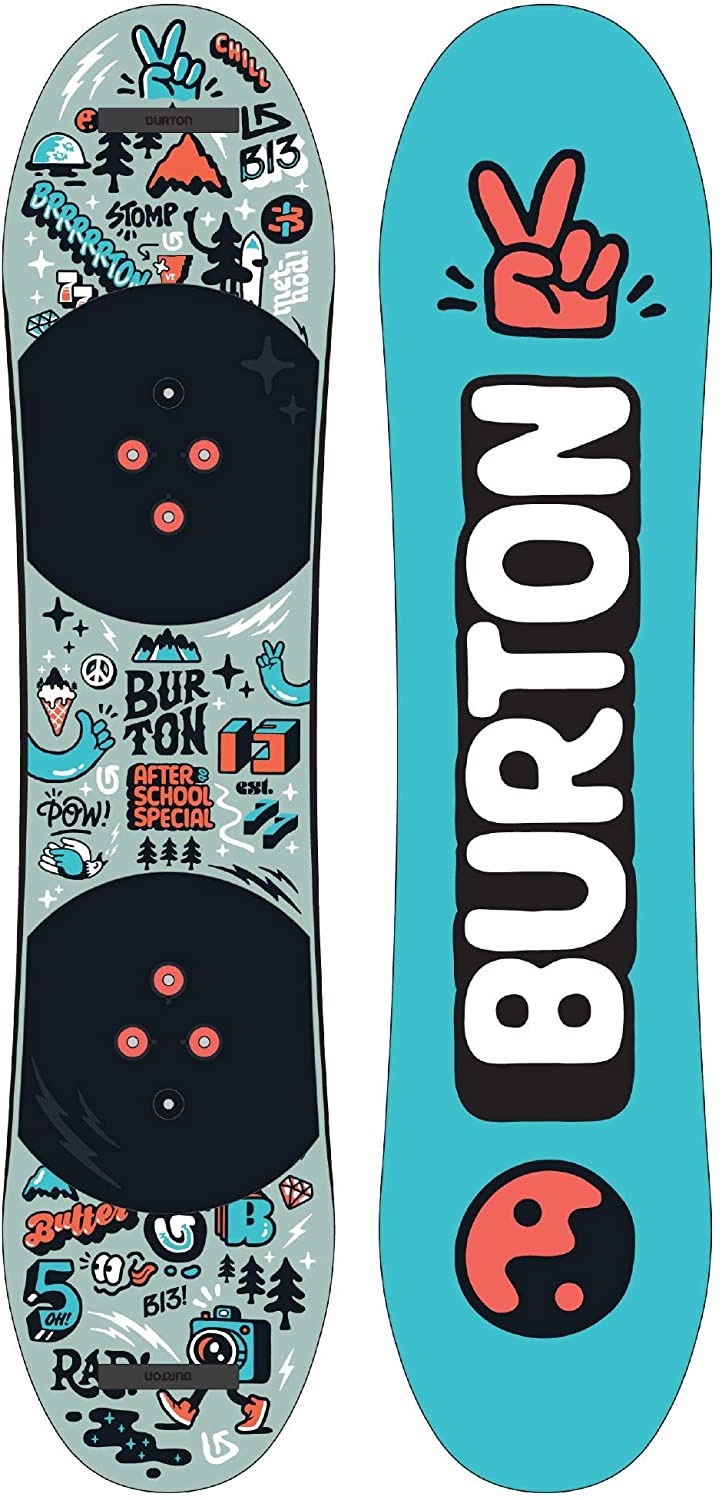
BURTON Snowboard for Kids
Burton sells youth boards for different stages of learning, so this brand-level entry is a starting point, not a recommendation of one particular model. Look up the exact board’s size chart, recommended rider weight, shape and intended terrain. A board that works for one child may not suit another with different boots or experience.
Best considered for: a child ready for a youth setup matched to their ability and local conditions. Check before purchase: board size, boot and binding compatibility, and whether the setup can be adjusted by a qualified shop. If this is their first resort day, a lesson with fitted rentals lets you assess the right size before committing to a purchase.
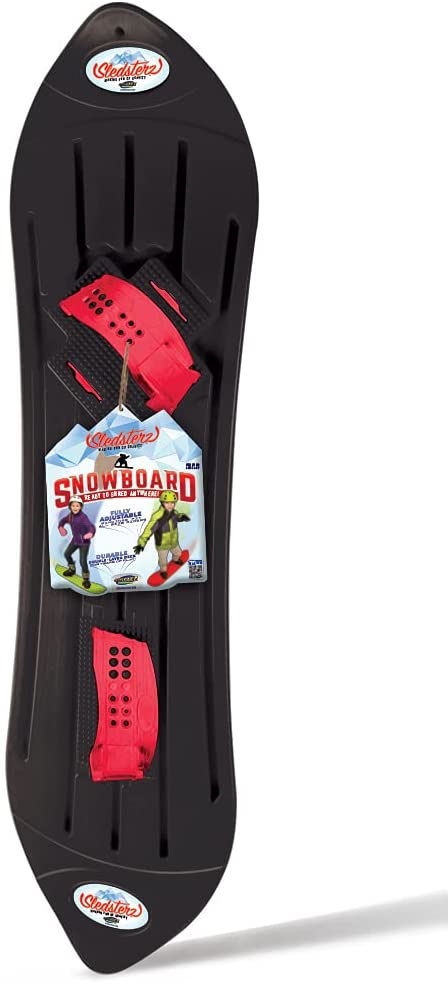
Sledsterz Snowboard for Kids
Sledsterz is often associated with casual snow play rather than lift-served riding. The important distinction is not whether the board looks like a snowboard, but where its maker says it can be used. Read the terrain guidance for the exact version before heading outside.
Best considered for: supervised sliding on a gentle, clear slope allowed by the manufacturer. Check before purchase: rider limits, how the foot straps hold winter boots and how the child will stop on the chosen terrain. Keep away from roads, trees and other obstacles, and do not treat a play board as resort gear without explicit approval.
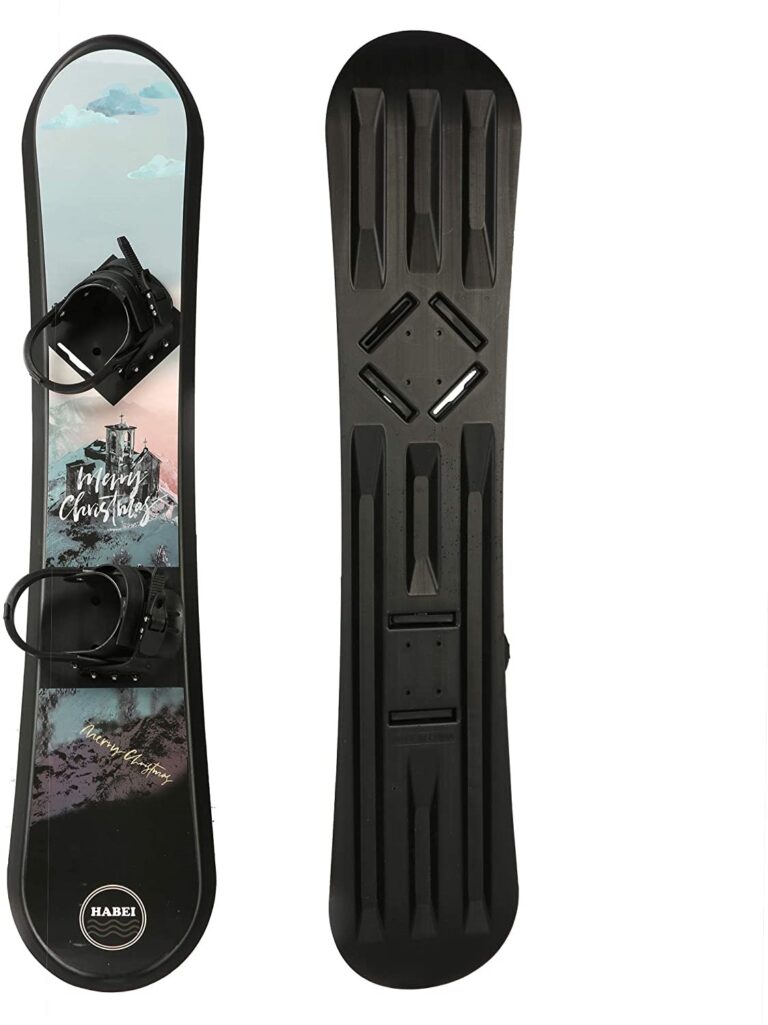
COLOR TREE Snowboard for Kids
For a COLOR TREE board, focus less on the color or headline claims and more on the specifications for the exact listing. Confirm that its length, rider range and bindings suit your child, and check whether it is designed for backyard play or for resort slopes. Those are not interchangeable uses.
Best considered for: the terrain and rider described in the current product instructions. Check before purchase: boot fit, strap adjustment, weight limit, assembly requirements and the seller’s return policy. If it is intended for resort riding, ask a specialist shop to confirm the complete setup rather than judging fit from photos.
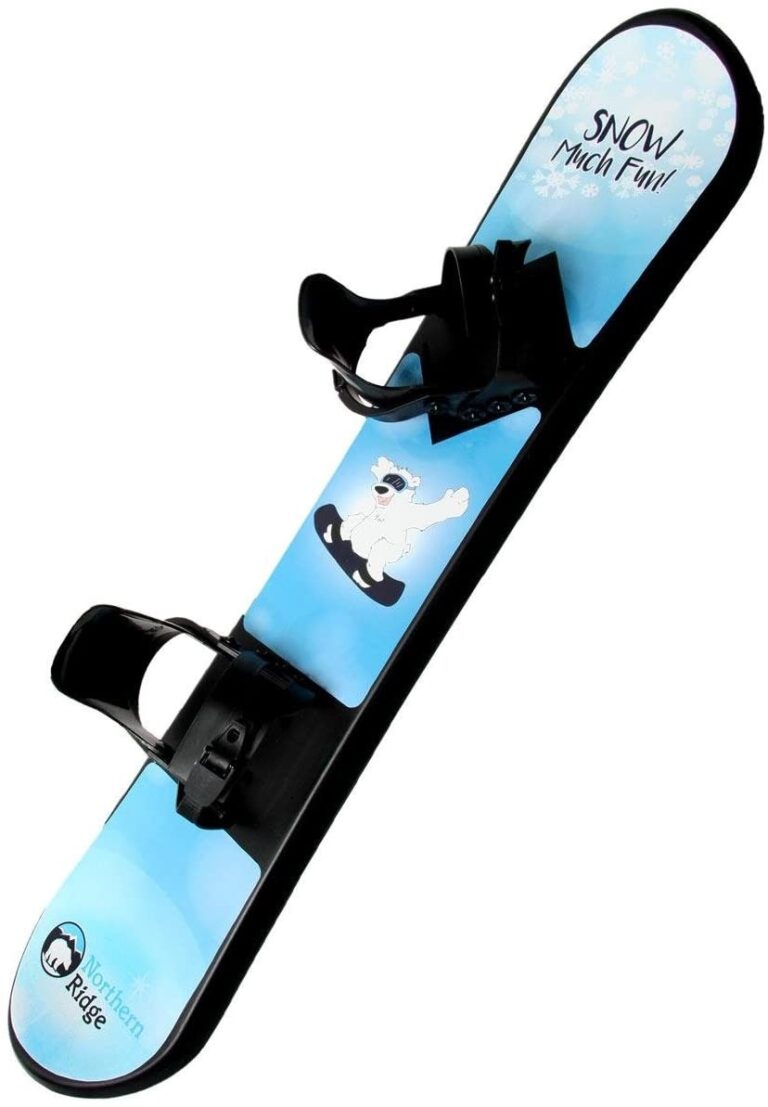
Winter's Edge Snowboard for Kids
A Winter’s Edge snow-play board may look simple to set up, but attached straps do not tell you whether it is suitable for every boot or slope. Specifications can change between versions. Check the current instructions and inspect the board and fastening points before each session.
Best considered for: supervised recreational use within the manufacturer’s stated limits. Check before purchase: size and weight guidance, secure boot fit, approved terrain and any assembly or adjustment needed. If a resort lesson is the goal, confirm the school’s equipment rules and consider renting an appropriate setup.
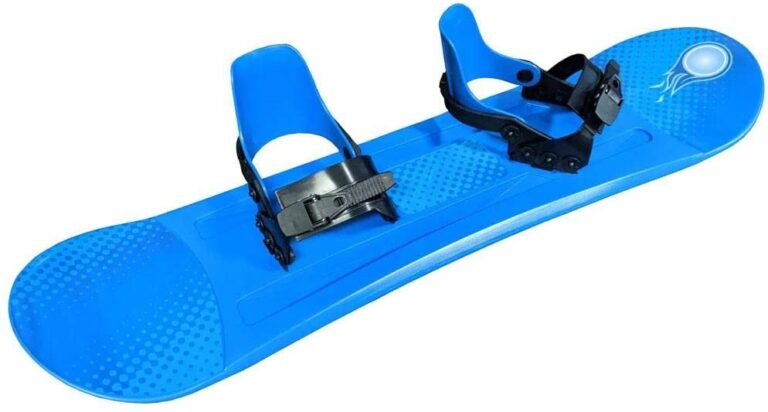
Generic Snowboard for Kids
“Generic Snowboard” is not a dependable model identifier. Two listings under that name can have different makers, materials and permitted uses. Before buying, identify the actual manufacturer and check the instructions and seller details for the item that will be shipped.
Best considered for: only the rider and terrain specified for that particular product. Check before purchase: weight and boot-size limits, binding design, care instructions, return terms and whether replacement parts are available. For a first resort lesson, fitted rentals from a reputable shop may offer a more straightforward choice.
Guide to Buying the Best Snowboard for Kids
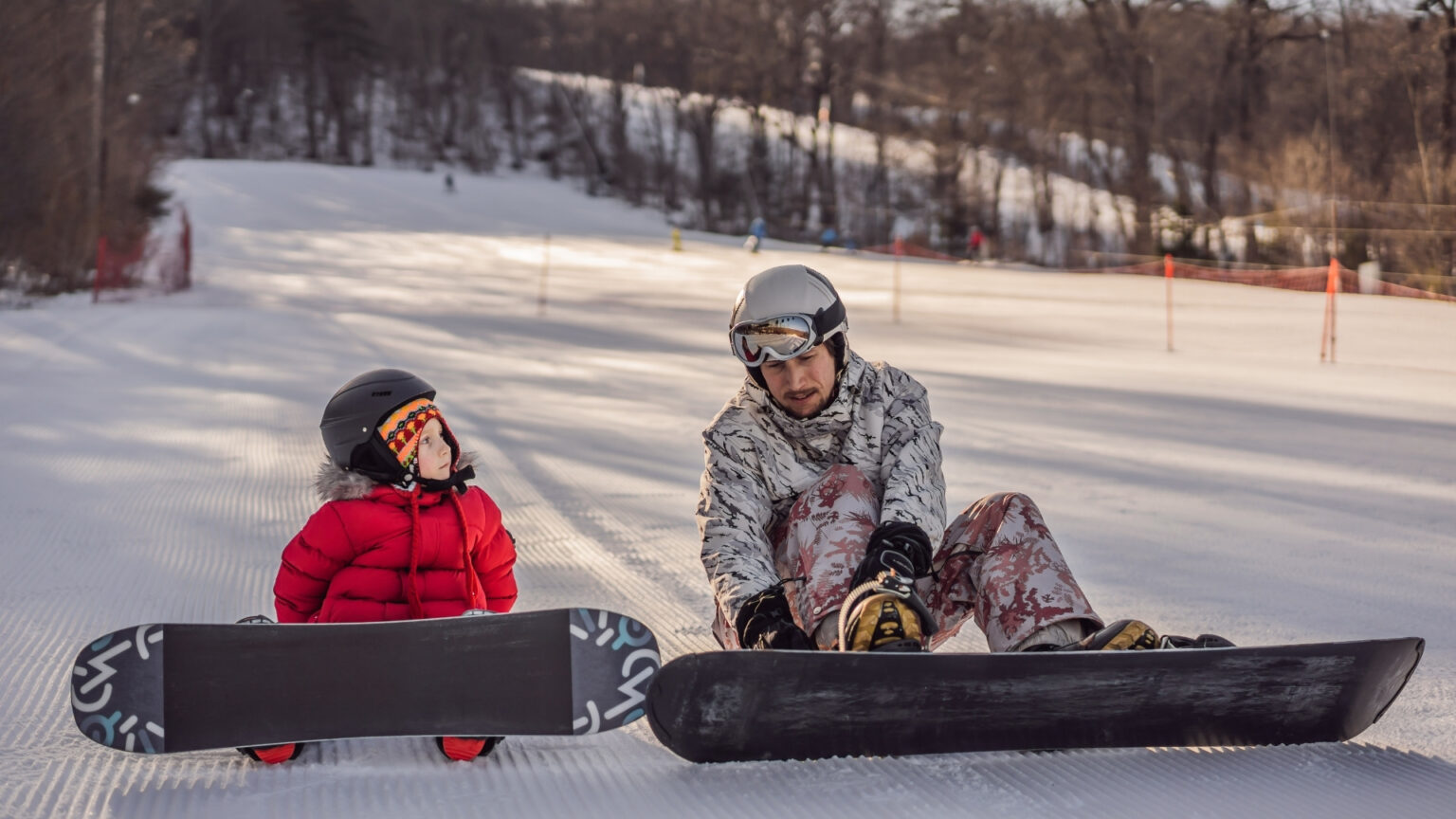
How do I choose a snowboard for my child?
Start with five practical details: your child’s weight, height, boot size, experience and the terrain they will use. Compare those measurements with the size chart for the exact model. Age and the old “board reaches the chin” shortcut are too imprecise to determine fit on their own.
For resort use, boots should fit comfortably and hold the heel without excessive movement; bindings must be compatible with both boots and board. Ask a knowledgeable shop to inspect the setup. An oversized board bought for future growth can make early turns less manageable, so renting during the first few lessons may be a better way to learn the right size.
For backyard play, follow the maker’s terrain and rider limits. Pick a gentle slope free of traffic and obstacles, supervise the session and plan a safe way to stop. Ski-area lessons require resort-appropriate gear; check with the school before arriving with your own board.
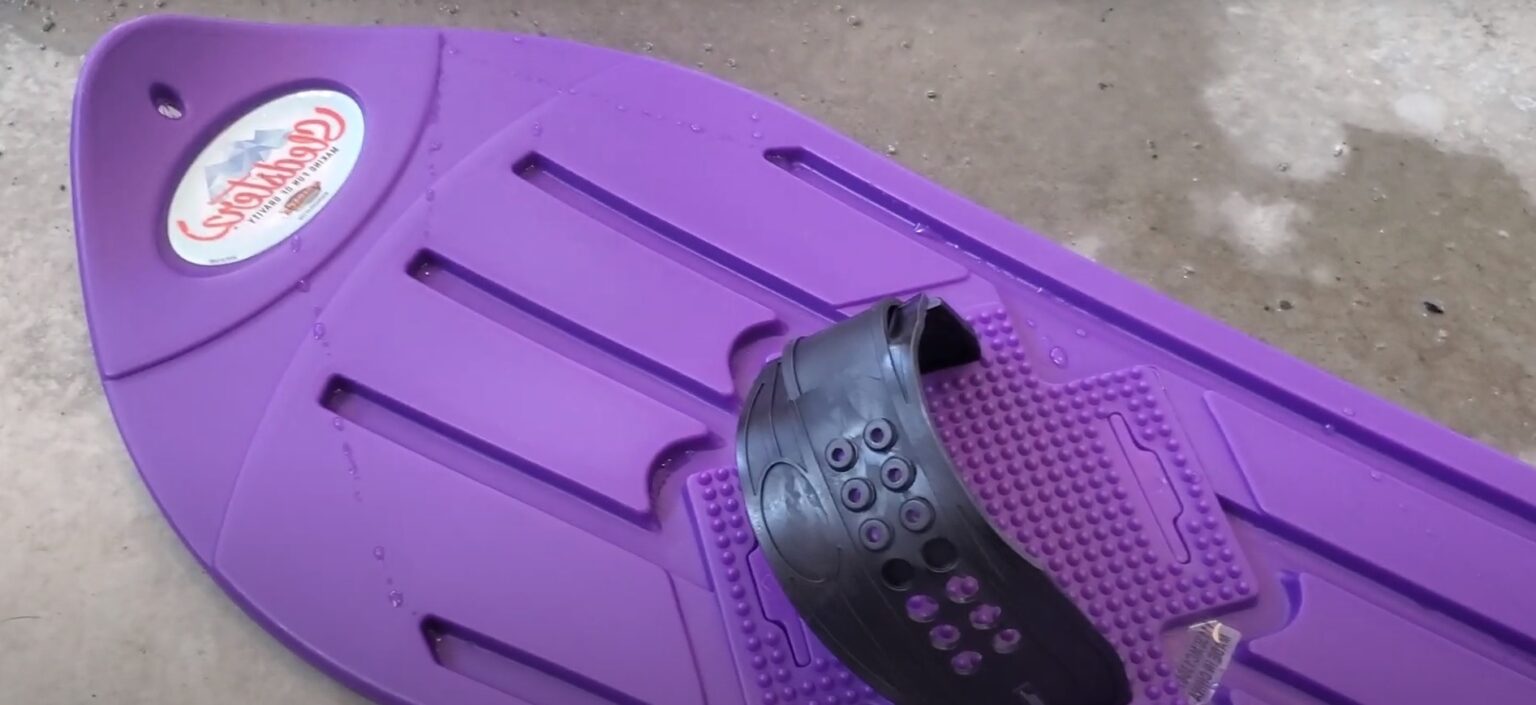
What is a good age to start kids snowboarding?
There is no universal starting age. Resorts and ski schools set their own minimum ages, lesson lengths and supervision rules, so check the specific program before booking. Interest and readiness matter too: a child who can follow simple instructions and stay comfortable in winter clothing is more likely to enjoy the first session.
A short beginner lesson can introduce balance, stopping and how to share a slope. Allow time for warm-up breaks, and stop when your child is tired or cold. They do not need to learn skiing first, and starting at an older age is perfectly fine. Choose instruction and equipment suited to the child rather than rushing toward a milestone.
Is a longer snowboard better for beginners?
Not necessarily. A beginner’s board needs to suit their weight, boot size and current ability, not simply be as long as possible. The manufacturer’s rider range and the board’s design are better starting points than a one-size-fits-all length rule. Extra length bought “to grow into” can make the first turns harder.
If you have already bought a board, this snowboard preparation guide provides additional background. For a child’s first setup, have a qualified shop or instructor check that the boots, bindings and board work together before riding.
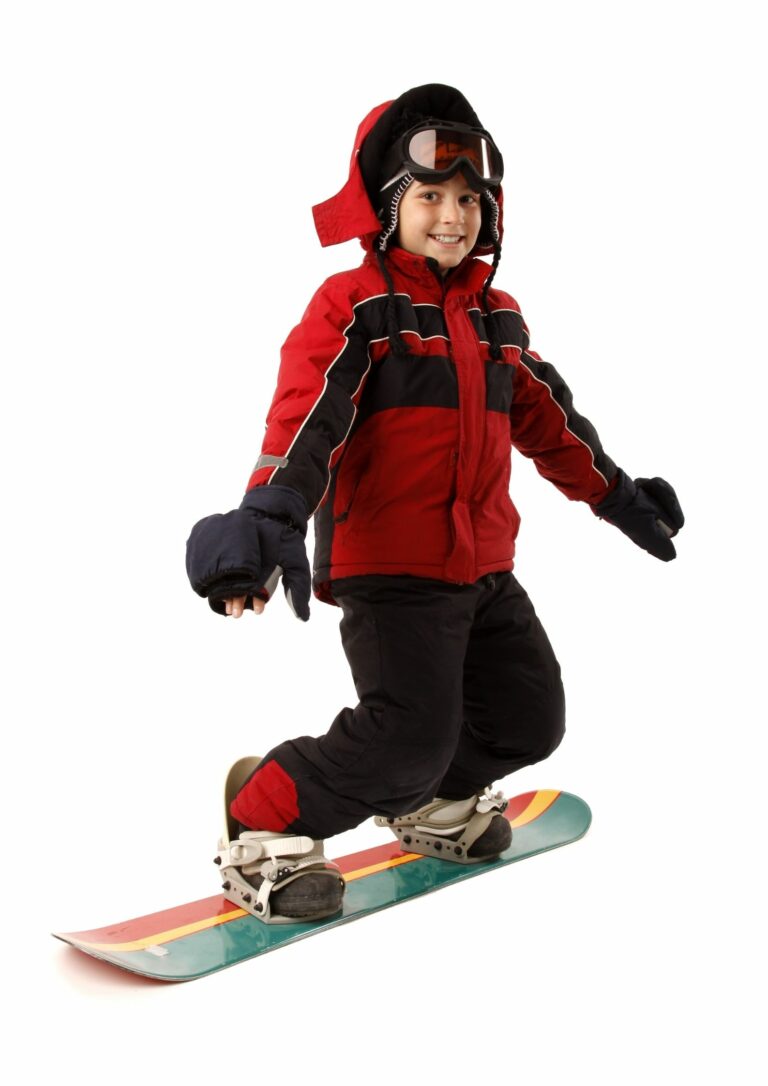
Use the exact board’s rider-weight range and sizing guide as a starting point. A softer, more forgiving youth board may feel easier to manage at learning speeds, but flex and length are not universal quality measures. Snow conditions, the child’s ability, and the board’s intended terrain also matter.
Do not size a youth board simply to match the rider’s height, and do not assume a longer board will help them progress faster. If your child is still learning to stop and turn, discuss rental sizes with an instructor or specialist shop and reassess fit as they grow.
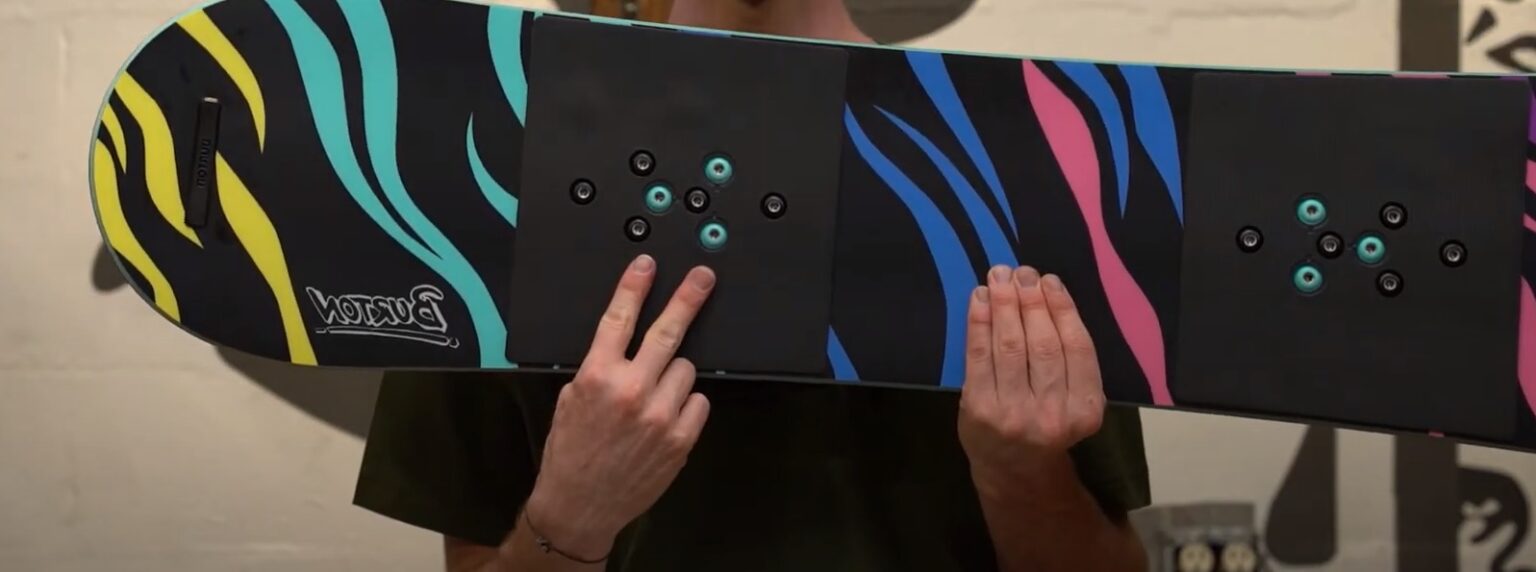
How much is a snowboard on average?
There is no reliable single average price for a child’s snowboard: the total depends on the model, size, retailer, season and condition. Compare the cost of the whole activity, not only the board. Resort riding may also mean boots, bindings, a helmet, suitable outerwear, lessons and lift access.
For a first outing, compare a lesson-and-rental package with buying a complete setup. If considering used equipment, inspect the board and ask a qualified technician to check the bindings and boot compatibility. This guide to older snowboards offers background, but current condition and correct fit should determine whether a used board is suitable.
You Also May Like